Israel’s Occupation: How Jewish Immigrants settled in Palestine
Israeli settlement could go back to biblical migrations of Abraham, Joshua, or God’s promise of the land Jacob’s descendants. But I am not writing for the distant past, but to examine conflicts of today. What effects Palestine’s current situation is the story of how the Jewish people entered the land called Zion at the turn of the twentieth century. The account of what occurred is fascinating and unknown to most people.
The Jews are, by circumstances, a migratory people. This people group has, because of anti-Semitic targeting, lived all over the world. Jews have controlled Palestine for less than half of the time since their identity as a people group more than 3500 years ago. In one of the more recent situations, in the years leading up to the twentieth century, a large majority of the Hebrew people lived in the pale of Russia.
A World Changing Assassination
That part of history came to a sudden end in 1881, when Tsar Alexander II of Russia was assassinated. The ruler’s murder was blamed on the Jewish people (most of the conspirators were Russian Orthodox), which led to a series of pogroms against the Jewish people because they were not Christians. Villages and towns were destroyed, and many people were murdered and there was large scale suffering.
The Jews sought to escape the persecution. Some moved to Austria (where protests broke out), France, England and the United States. Others began to look at Israel, the land of their fore bearers. A small number of Jewish people had resided in the land we now call Israel since antiquity. (See tomorrow’s blog post)
Israel’s Jewish Migration
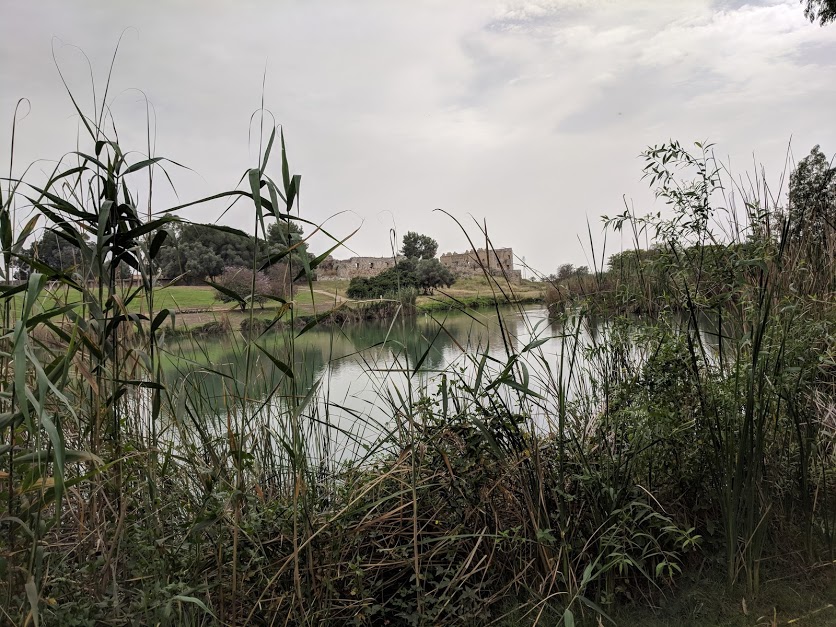
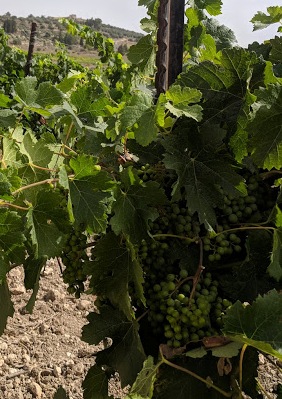
Word of the anti-Semitic persecutions reached many of the wealthy families in Europe, in particular the Rothschild family of France. One of the members of the family, Edmond James de Rothschild, decided to help the suffering Russian Jews by purchasing land in Palestine to establish collective farms (now called moshavot). Under the supervision of Ottoman administrator, the Baron purchased undesirable swamp land, which due to new innovations could be drained. The settlers planted vineyards in the Holy Land.
Once the land was purchased, the Baron hired, and paid for laborers who were suffering from the persecution in Russia. The first members of this project were from Kharkiv, Ukraine and were brought to Rishon LeZion (founded July 31, 1882) to begin farming operations. Rishon LeZion, which means “First to Zion” (from Isaiah 41:27) is now the fourth largest city in Israel.
Israel’s Russian Settlements
Other collective farms (called Moshav) were started soon after, and now form the cities of Zikhron Ya’akov, Rosh Pina. Gedera, Petah Tikva, and others. During this time, other benevolent organizations joined in the purchase of land, and by the end of 1882, 2,200 hectacres of land had been purchased for Jewish farms.
These farms were successful, and by 1917, were noticed as land riots began in the early twentieth century. What is interesting is that Jews who made Israel their new Zion did not take over land (they purchased it), and did not move to the historic Biblical cities of Israel. The Biblical settlement of Israel was in the highlands. Twentieth century settlement of Israel began on the coastal plain on land that was considered as undesirable.
Travel to Israel
I have written a book, Israel: Stories for your Journey, about many of the communities in Israel which will give more information in the form of interesting stories. These are narratives about the land (and not the Bible). The accounts will help the reader understand Arab, Palestinian, Jewish and many other types of settlement in the land of Israel. The book is a valuable asset for any traveler who truly desires to know the land and its history.

Discussion about land occupied by the Jewish people in Israel is a hot topic today. From a historic standpoint it should be understood, people are always moving. Each person should look at their past. How long has your family lived on the land you occupy. Who lived on that land before them? All too often we look at ourselves as the ones with all the rights, but go back a few generations, and you’ll find that is not true. We are all moving. Many of our ancestors were squatters, or took the land as the fruit of war. How can we condemn others?