Laodicea in the First Century
This blog is part of a series. The first article (here) gives an introduction to the Seven Churches of Revelation. The second article (here) explains the leadership of churches in the first century. A third blog (here) examines the character of the seven churches: Ephesus, Smyrna, Pergamum, Thyatira, Sardis, Philadelphia, and Laodicea. .
. The final book of the Bible, entitled Revelation … in Greek Apocalypse, meaning The uncovering or Revelation … is by definition meant to be understood. Over the past 200 years many have added doctrine (eschatology … a timeline) that totally obliterates the actual message of the book. In the Apocalypse John gives an important message to the people of his day, with eternal value for us today. I took the book and read it (and studied it) as a Jew (which John was) of the late first century (when the book was written) to understand how the original recipients would understand this text … and it came alive. I want the Apocalypse to come alive for you also, so I wrote a commentary. To fully understand the book of Revelation from a first century perspective, you should purchase the book (actual book; electronic book, or audio book, or buy it at your local book store) and read it in its entirety. A sample is below:
What was Laodicea like as a town?
Laodicea sat at an important crossroads on the north-south road from Pergamum through Thyatira, Sardis, Hierapolis and Philadelphia, and thence through Colosse to the port at Antalya; and on the east-west portion of the Silk Road that led to Ephesus and beyond. Location, natural resources and abundant agriculture at this location brought great wealth to the inhabitants of this city. A citizen of Laodicea once wrote, “I am happy. I have fortune and I am not in need of anything.”
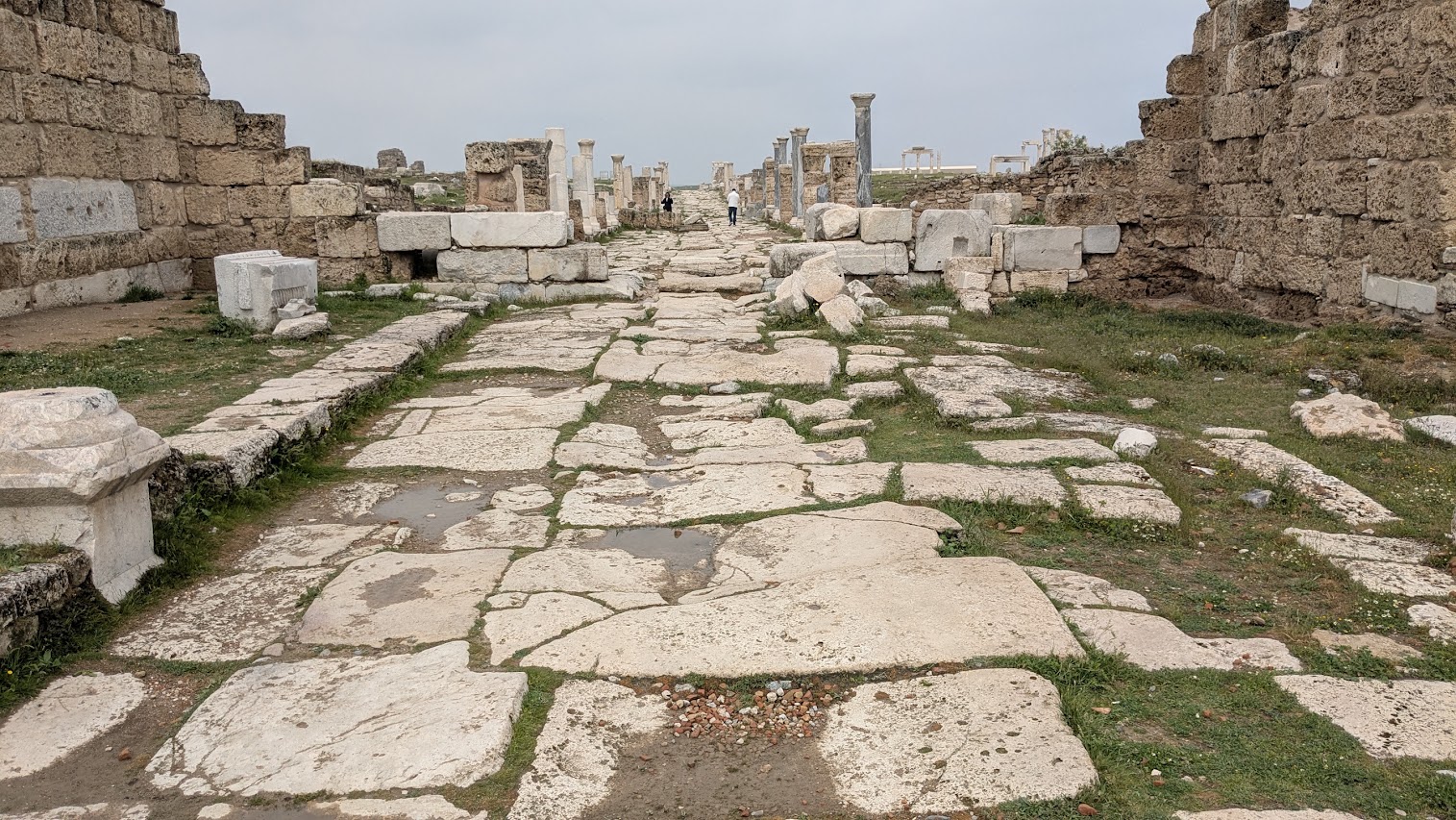
The city had four famous gates leading to the east, west and north. Outside of the city, ranchers’ bread and cared for a rare breed of black sheep that provided specialized wool for the garment industry. Inside the city, there was a famous Herophilus medical clinic that specialized in blood flow and eye care. Laodicea was also a banking center. Beyond the city, Hierapolis developed as a resort with hot springs. Nearby Colossae supplied the area with cold water from Mt. Cadmus.
What do we know about the church atLaodicea?
The Church grew out of a large Jewish population that was settled in the area at the time of Antiochus the Great. He wrote to his father, I have moved “two thousand families of Jews … for I am persuaded that they will be well-disposed guardians of our possessions, because of their piety towards God, and because I know that my predecessors have borne witness to them, that they are faithful, and with alacrity do what they are desired to do.”
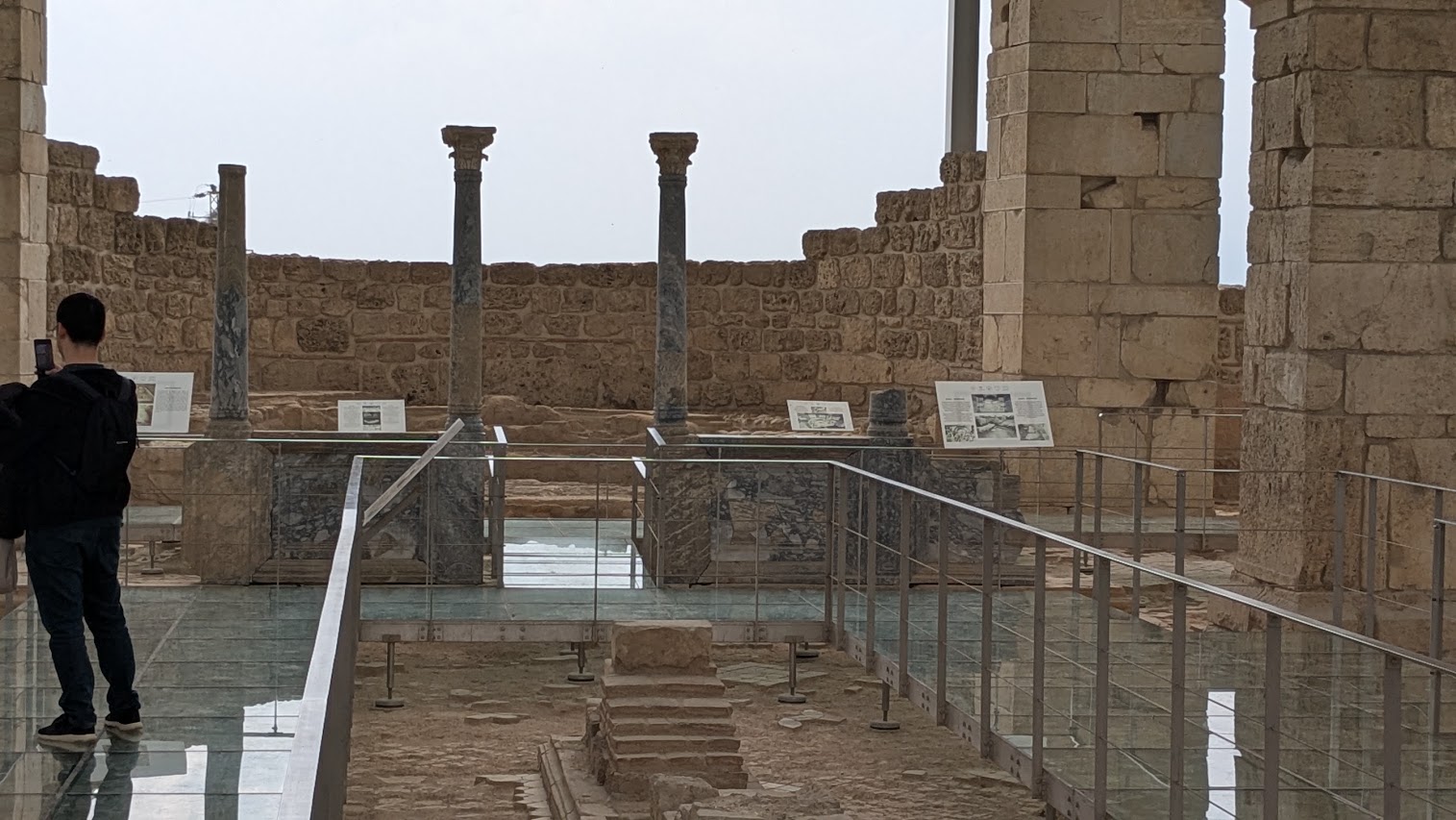
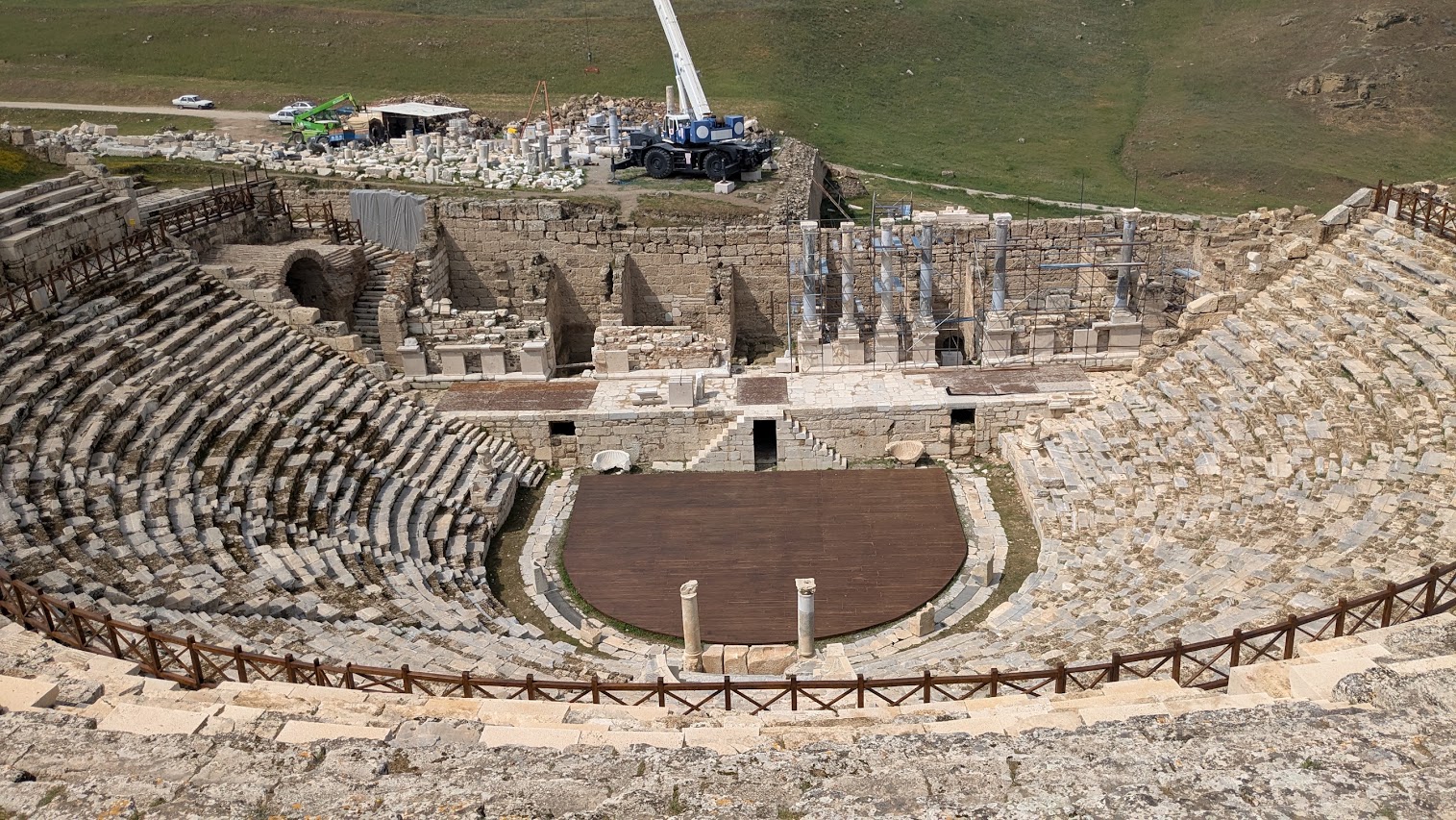
Archaeologists found a large column at the nymphaeum inscribed with a menorah, shofar, lulav and a cross. Both Jewish and Christian congregations met in the area near the baths in the city. Paul mentioned the church in his letter to the Colossians: “I want you to know how much I am struggling for you and for those at Laodicea, and for all who have not met me personally. My purpose is that they may be encouraged in heart and united in love, so that they may have the full riches of complete understanding, in order that they may know the mystery of God, namely, Christ, in whom are hidden all the treasures of wisdom and knowledge.”
Did any Jews live at Laodicea?
I have mentioned in previous blogs (links above) that each of the seven assemblies of Asia Minor represents a Jewish holy day, or festival. The seventh festival listed in the book of Revelation is Shavuot, also called the Festival of Harvest, First Fruits or Pentecost. It occurs fifty days after Passover, at the time fruit first appears on trees throughout the land of Israel.
In the days of Jesus, communities would wait until the fruit in their community was ripe. Because fragile nature of fruit, the Rabbis permitted bringing it during the peak of harvest season in each community, between Shavuot and the Feast of Tabernacles. The Priests also limited what people could contribute to prevent rotting fruit at their altar. The Torah (De 8:8) states the Temple accepted only wheat, barley, grapes, figs, pomegranates, olives (oil), and dates (honey). Jews who lived in the Diaspora, could not bring fruit grown outside the boundaries of the land of Israel. That led to a type of laxness in Asia Minor, where Jewish communities saw any type of obligation eliminated.
Within Israel, to prepare at the time chosen for the offering, members of each community would spend the night outside to complete preparations for their journey to Jerusalem. They would select and decorate an ox with gold horns and a wreath of olive leaves on its head, place baskets on his back, and fill these with local fruit. The community would travel together, playing the flute and singing Psalms of ascent (Ps 120–134). The people of Israel would follow the words of Deuteronomy 26, “Gather all the first produce of the ground that you harvest from your land that the Lord your God is about to give you, place it in a basket, and bring it to the place where the Lord your God will choose to establish his name.”
What holidays did the Jews celebrate?
The festivals that were celebrated during the time of the first and second Temples revolved around Jerusalem, the city chosen by God, the ordained place for the altar. Rosh Hashanah and Yom Kippur were tied to the offering and the work of the High Priest, who would make atonement for the people. The Feast of Tabernacles, Passover and First Fruits were festivals where Israel gave thanks for God’s protection on their journey and gave gifts from their agricultural abundance. Chanukah and Purim were great victory parties where the people proclaimed the stories of how God defeated strong enemies so the Jewish nation could give God their praise. But all that seemed a thing of the distant past when John wrote his Apocalypse.
The Romans occupied Jerusalem; the High Priest was dead, and the Temple lay in ruins. Why did God let this happen, and how could God’s people endure? This is John’s question and why he wrote the book of Revelation. It took me years to move from traditional futuristic interpretations (all the while realizing the reasons these ideas were made up fiction propped up by proof texts) and through a detailed study to discover why John wrote the Apocalypse. Today the book makes SO MUCH MORE SENSE! The book of Revelation doesn’t prophesy the future … it answers a hard question … and through its answers it is filled with a multitude of valuable spiritual treasures for today. …. Please take a look at my book:

Behold, Jesus stands at the door and knocks! Revelation 4-5 provides a provision. God’s people can overcome; they can continue in life, and they can celebrate God’s greatness with love, obedience, and understanding.