7 Churches of Revelation
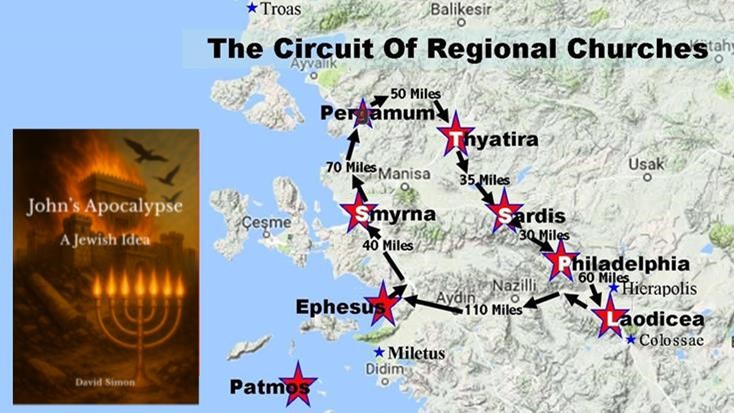
John’s letters to the messengers of the seven churches of Revelation present fascinating readings for readers from all theological beliefs and interests. The seven churches themselves (in Ephesus, Smyrna, Pergamum, Thyatira, Sardis, Philadelphia, and Laodicea. ) date to the earliest years of Christian history. Paul visited Ephesus about 20 years after Jesus rose from the dead.
Leaders of the 7 Churches of Revelation
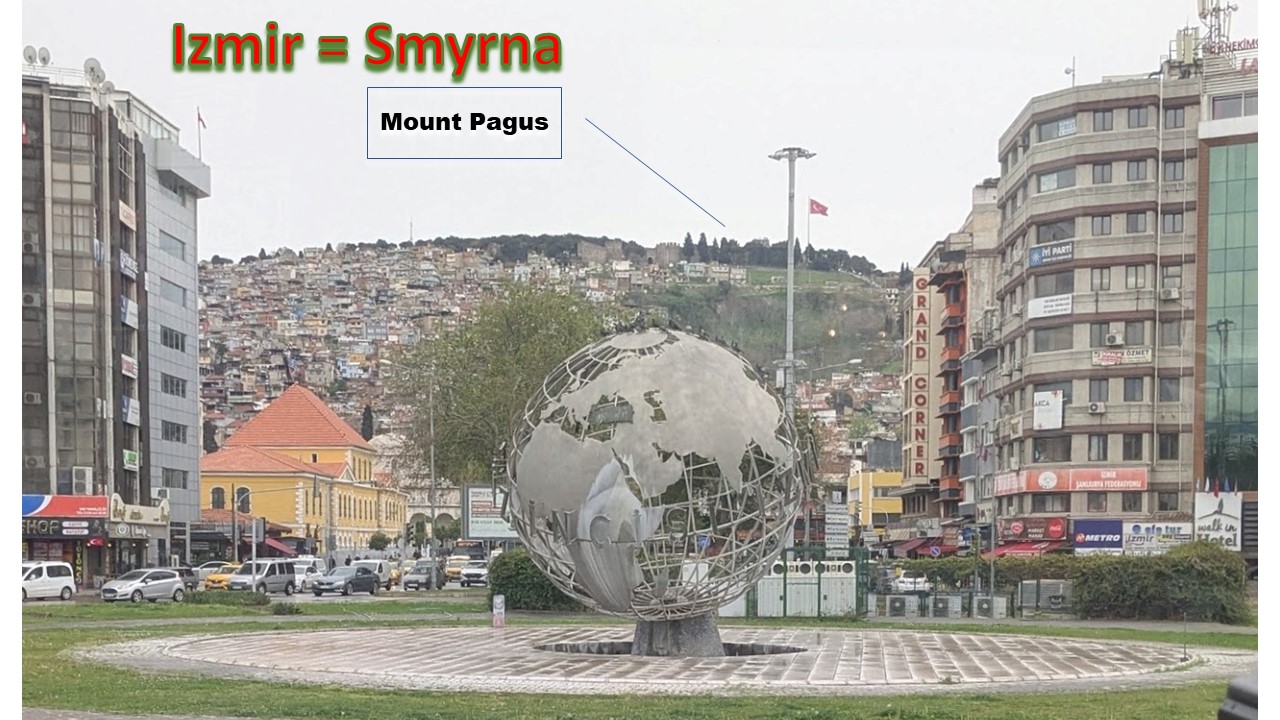
The seven churches of Western Asia Minor, especially Ephesus and Smyrna, contributed greatly to the development and expansion of Christianity because of their early foundation dates. Paul writes about Silas, Timothy, Apollos, Aquilla and Priscilla who joined him in the ministry at Ephesus. After Paul’s imprisonment the Apostle John moved to the great city to escape potential martyrdom by the authorities in Jerusalem. Early Church Fathers Polycarp, Ignatius of Antioch and Irenaeus of Lyons were born and experienced the early years of their Christian faith in Smyrna.
It is interesting to note that when John wrote the Book of Revelation the seven churches featured in the letters were forty years of age or younger. These congregations were not the huge megachurches we think of today, but small congregations based more on the Jewish traditions of worship than on our modern 21st century modern traditions.
Updating What We Know about the 7 Cities
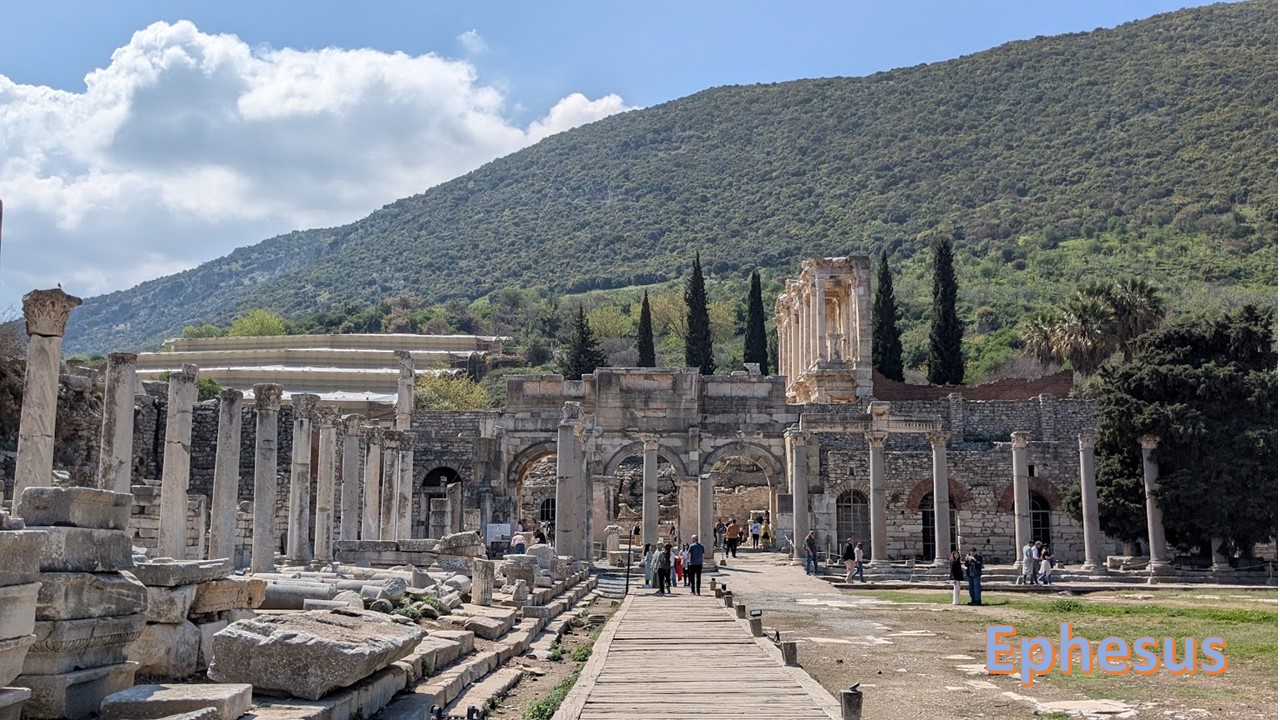
I spent considerable time researching the seven churches of Asia Minor. Much of the material I read (even the newest material) originated almost 100 years ago and shares information about an expansive period of local history. My research led me to archaeological and manuscript discoveries which were not included in most of the available books and articles on the Seven Churches of Revelation. In my book, “John’s Apocalypse: A Jewish Idea,” I decided to focus the local information I shared for each city on the 100 year period before and after the book of Revelation was written. This more limited two hundred year span better describes the cultural setting, personality, and endeavors of the cities during the period John wrote the Apocalypse.
I particularly wanted the unique personality of each city to shine so readers could understand some of the specific things John wrote to the individual churches.
Personalities of the Seven Churches of Asia Minor
My book “John’s Apocalypse: A Jewish Idea” highlights the meaning of each church’s name, the unique personality of each community, phrases John uses, and the ways John shares his religious traditions in his letter to each church. The phrases, especially the blessings given to each church are repeated in the final four chapters of Revelation.
One example of the repeated phrase of blessing, “the second death” appears in both Revelation 2:11 and 20:6, tying the church at Smyrna with the Millennial Kingdom. Similarly, the first passage states that the devil imprisoned some members of the church at Smyrna for a short time. In the latter passage Satan is imprisoned for a thousand years and later released for a short time.
Future Blogs on each of the 7 churches
Before publishing my book, I traveled to each of the seven cities mentioned in the book of Revelation to observe what still existed from the time John wrote the book of Revelation, how the infant churches grew once established, and the geography of the area. I will share what I found during this journey in future blogs.