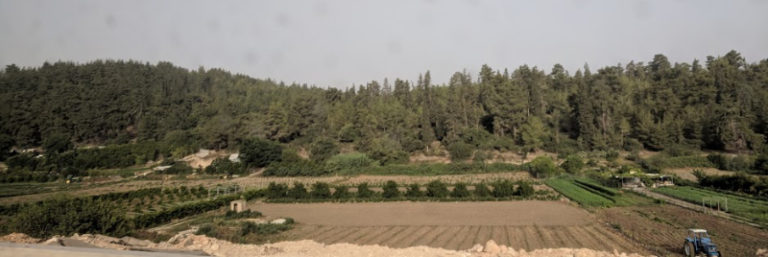
Philadelphia in the First Century
John opens the Book of Revelation by writing letters to seven Christian assemblies located in western Asia Minor (today’s Turkey), Ephesus, Smyrna, Pergamum, Thyatira, Sardis, Philadelphia, and Laodicea. Each of these towns had unique personalities that I describe in my book “John’s Apocalypse: A Jewish Idea.” In this series of blogs, I seek to give a brief history of each town, focusing around the time period when John wrote the book of Revelation. I then survey the current environment of the city and the church featured within that city. Then I examine how the Apostle John connects each assembly to a specific Jewish festival and what this means.
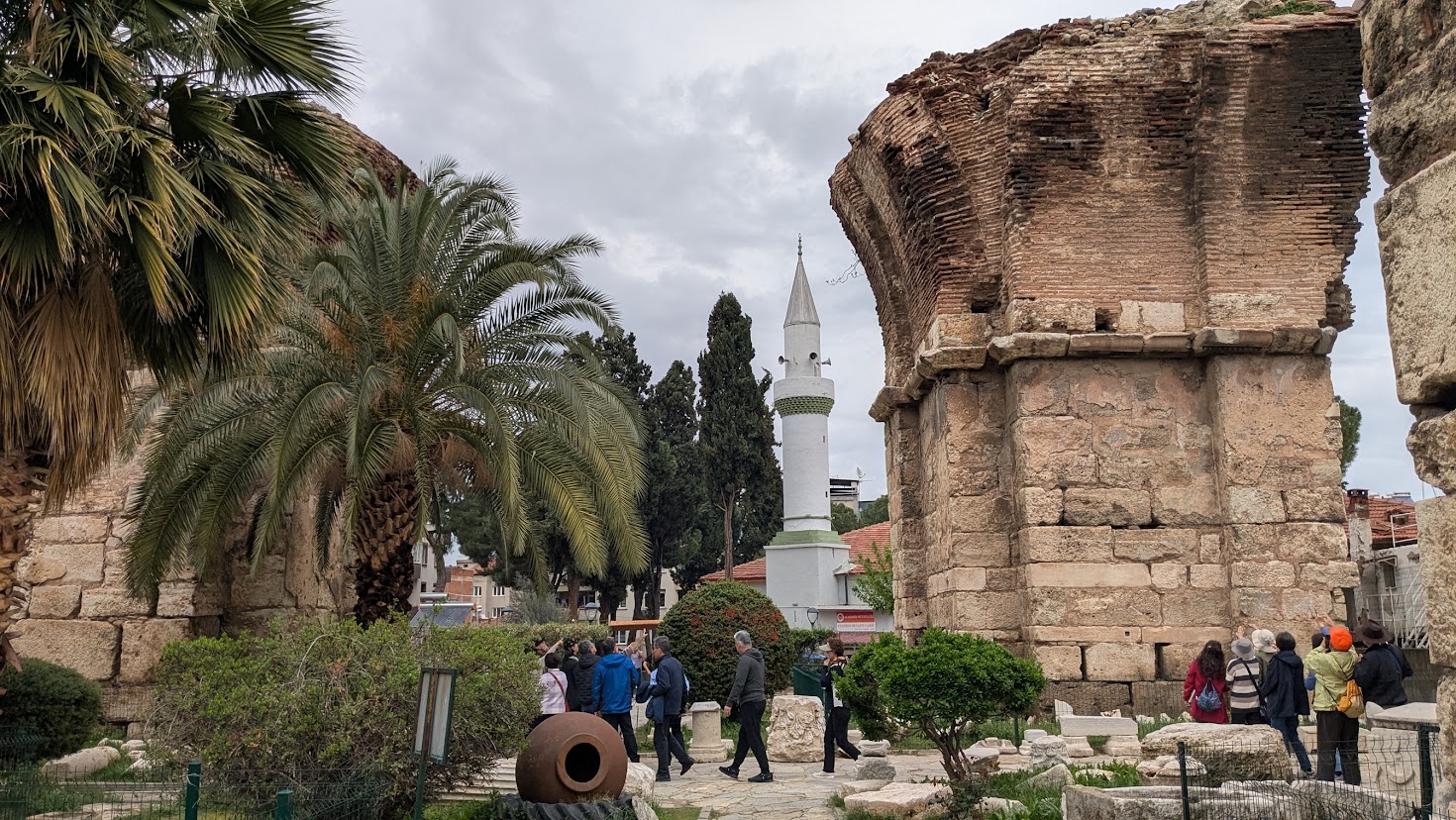
Philadelphia, modern day Alaşehir, was a unique city in many ways. The first accolade to meet our eyes is the name of the city itself, which translates to mean, “the city of brotherly love.” Love is one of the most important attributes in the Bible. It leads the list of spiritual fruits in Galatians 5. Jesus highlights love by quoting two commandments found in his Bible, “Hear, O Israel: The Lord our God, the Lord is one. Love the Lord your God with all your heart and with all your soul and with all your strength.” (Deuteronomy 6:4-5, read ever week in Jewish congregations) and “Do not seek revenge or bear a grudge against anyone among your people, but love your neighbor as yourself. I am the Lord.” (Numbers 19:18). John highlights Love in his first letter. He says, “Beloved, let us love one another, for love is from God, and whoever loves has been born of God and knows God. Anyone who does not love does not know God, because God is love.” (1 John 4:7-8)
The church is also unique because God has no condemnation for this congregation. The passage also calls attention to a favorite Jewish holiday, Passover.

What was Philadelphia like when John visited?
Philadelphia was the smallest and newest of the seven cities. The town received its name because organizers admired the closeness between King Attalus II and his brother Eumenes. (Philadelphia means brotherly love). The city was founded to set a protective military outpost on the southern border of the kingdom of Pergamum. The fortress successfully gave protection during the wars with Persia (189 BCE), Galatia (188 BCE) and Pontus (182 BCE). It was the entrance city to the kingdom.
What was the church like at Philadelphia?
The town in the first century was not large enough to have many strong religious organizations. Inscriptions tell of a synagogue on the outskirts of town, and the letter in Revelation indicates a weak, but very faithful church. John admired the inner strength of the members of this church. Young believers in this military village, as the faithful in Smyrna, were challenged by Judeans and idol worshippers, but stood firm and used the open door of persecution to affirm their new faith before unbelievers. In Philadelphia, the abusers learned of God’s love through the firm testimony shown by the believers. Jesus said those who “have kept my word and not denied my name” were like strong pillars in the Temple22 and would be marked with the protective name of God so they could enter “new Jerusalem, which comes down from my God out of heaven.” (Rv 3:12; 21:2)
What Jewish Tradition is highlighted in this letter?
God, who is Holy and True, uses the “key of King David” to open a door for the community of believers. The symbol of the key comes from Isaiah 22:22, when a loyal steward comes to do the work of King Hezekiah for the nation of Israel. The message to the church at Philadelphia is that God can accomplish something important for a community of people that hold strongly to His Name, even when they are a band of slaves. This is the story of Passover.
The Bible tells the story of Jacob, the grandson of Abraham, the family of Hebrews, seventy people in all, went down into the land of Egypt. When they arrived, the Pharaoh showed favor to the people, and gave them the best of his land. But later, a new Pharaoh arose who made the people his slaves. He made their lives miserable, forcing them to work on his farms and erect his building projects. The Hebrew people cried out, and God heard their cries.

God called Moses, a fugitive who never planned to go back to Egypt, to guide the nation of Israel as God freed them from the land of Egypt. After showing Pharaoh a few small signs, God sent a series of plagues upon the land of Egypt. The first plagues affected all the people. When the punishments became more severe, God kept the Hebrew people safe from the trial that came upon the rest of Egypt.
Finally, the order came: “Tell the whole community of Israel that on the tenth day of this month each man is to take a lamb for his family, one for each household. … Take care of them until the fourteenth day of the month, when all the people of the community of Israel must slaughter them at twilight. Then they are to take some of the blood and put it on the sides and tops of the door frames of the houses where they eat the lambs. That same night they are to eat the meat roasted over the fire, along with bitter herbs, and bread made without yeast.” (Ex 12:3-8) And most of the community obeyed God.
But some of the Hebrews did not want to trouble themselves by smearing blood on the doorposts. They claimed to be Jews, but were not obedient to God, and lost their firstborn sons. After the plague, some of the Jews who were not obedient to the command, along with some of the Egyptians threw themselves at the feet of Israel.
By the act of God and the obedience of the people, Israel secured permission and an open door to the nation of Israel, and they were allowed to escape from Egypt. The slaves of Egypt received a new name, the nation of Israel. They gained the covenant on Mt. Sinai, and then Moses “built an altar at the foot of the mountain and set up twelve stone pillars representing the twelve tribes of Israel.”
The messages to Philadelphia and Pergamum promise believers a new name because they remain holy and true to God on the trying and tempestuous journey through the wilderness. As John penned the words to the church at Philadelphia, he found hope in the words of God, for although the Temple at Jerusalem lay in ruins, the Lord had not forgotten his name. Jesus said those who remain strong will see New Jerusalem (on the other side of the Chiasm, Rv 21:2) with its twelve gates when it comes down from heaven.

To read more about the Seven Churches and to learn more about what John was saying to early believers in Jesus, purchase the book “John’s Apocalypse: A Jewish Idea.” (actual book; electronic book, or audio book, or have your library order a copy so you and others can read it!) so you can see the the Apocalypse as others understood the book at its initial release.