

Passover Hallel Praise from a land of Abundance
Hallel Psalm 117 O praise the Lord, all ye nations! Praise Him, all ye people! For His merciful kindness is great toward us, and the truth of the Lord endureth for ever. Praise ye the Lord!
The Passover is our time to celebrate freedom. We could call it an independence day, but it is more than that. This day marks not only the beginning of a people, but also their continuance, even when they had no country. The Exodus is the beginning of an agreement or a covenant that we would be God’s people and the Lord would be our God. The season is replete with signs of God’s love for us, if we would but look around.
Praise for the Beauty of God’s Love
The honoring of Passover (or traditions of Easter) are more than religious observances that we must perform. These occasions are markers of God’s love for us, and a call to celebrate. We could say they are remnants of the old spring festivals where people marked the warming of the earth with celebrations and music, but the festivals of God are more.
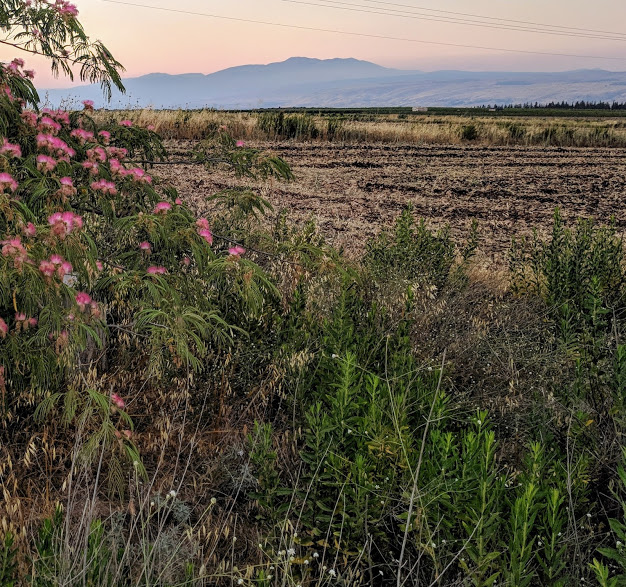
In this season of the earth’s beauty, God’s people celebrate festivals that remember our creator’s love and personal attention to us as His people. In the celebration of Passover we speak of how God heard the cries of His people and provided a way for them to enjoy freedom from enslavement. We have a God who hears us and takes care of our needs.
The beauty we see on the earth at this time is like God placing flowers at prime locations, or placing paintings on the wall, but God is more. A home is about more than its gardens or structural beauty, a home contains a family with relationships that outshines the way it is made. The plants, the paintings, and the entire structure of the property just sit, and allow us to come in and out. Our God provides for our needs and intervenes in life as necessary to protect and save us from others or ourselves.
Praise for the Beauty of God’s care
The celebrations of this season are given so we as God’s people can see and know of His care. During the Passover families gather together each year to remember and rejoice in the gift of redemption and freedom. The Jewish people were once enslaved, but then God gave us the liberty to enjoy life in all its splendor! We are no longer burdened by taskmasters who all too often call us from life. The story of the Passover is about God pulling us from duty and rote to an enduring relationship.

The story for Christians is similar, for it tells of how God provided a Savior to show the way of life and relationship rather than life and death. The picture for Christians is that although life has a beginning, there is no end. Life eternal did not just happen, God as the gardener interviewed in the world and paid the price so we could enjoy a relationship with God the creator.
In this season the earth with its new growth, beautiful flowers and promise of crops is an amazing thing. But we know that in the flow of life all this will in its time die and be gone. The lesson for God’s people is that this is not just happenstance, there is more. The cycles of nature are repeated displays of our Creator’s love, like the child bringing flowers to his mother. The genuine beauty of the season is in a continuing relationship of God’s love that brings us our freedom, and life beyond this season.
The Beauty of Praise
What is the appropriate response when a person walks through a beautiful garden. Do you just walk on and not notice? (I have seen many people so preoccupied with life, tasks or themselves that they seem not to even notice the beauty placed before them) Do you stop and see the colors and intricacies of the plants? Do you ever pay attention to the layout of the garden that creates a drawing of our attention and sense of beauty? These responses are appropriate and should be normal.
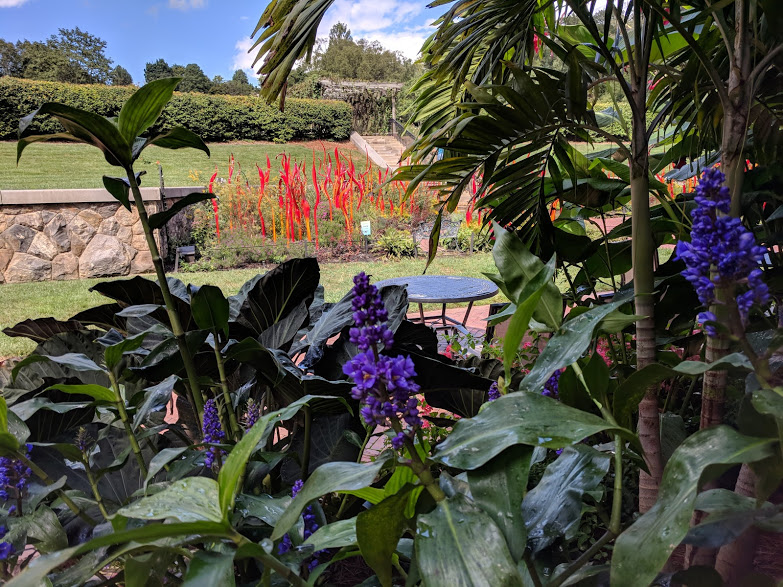
The beauty of our world does not just happen, it is created. Whether in a garden or in the wild, there is a gardener who planned and placed each item before us. The Creator wants us to stop and take it in. The Creator rejoices in acknowledgement and praise.
This is the purpose of the Hallel Psalms in the Bible. “praise the Lord, all ye nations!” and Praise Him for His merciful kindness. “Give thanks to the Lord, for he is good. His love endures forever.” (Ps 136) Remember, “The Lord remembers us and will bless us: He will bless his people Israel.” (115:12); The Lord cause you to flourish, both you and your children. (115:14) “The Lord is gracious and righteous; our God is full of compassion.” (116:5)
“The highest heavens belong to the Lord, but the earth he has given to mankind. It is not the dead who praise the Lord, those who go down to the place of silence; it is we who extol the Lord, both now and forevermore. Praise the Lord.” (Ps. 115:16-19)
Celebration of the Passover
Passover Seders should be occasions for singing and praise. We are celebrating our freedom. We are also celebrating the goodness of God and the abundance of His care. One way that the abundance of God is shared in the evening is through the Passover meal, with its abundance of food.
We also celebrate the Passover with stories of the ways God helped our people find freedom. We recite words of the Psalms, and we have an occasion to sing other traditional songs of the season. I have shared some of these in my latest book A Psalmatic Seder.

I have shared other ways to celebrate the Passover in the book A Christian Passover in the Jewish Tradition. The background to all of this is shared in Spring: Connecting with God.


