
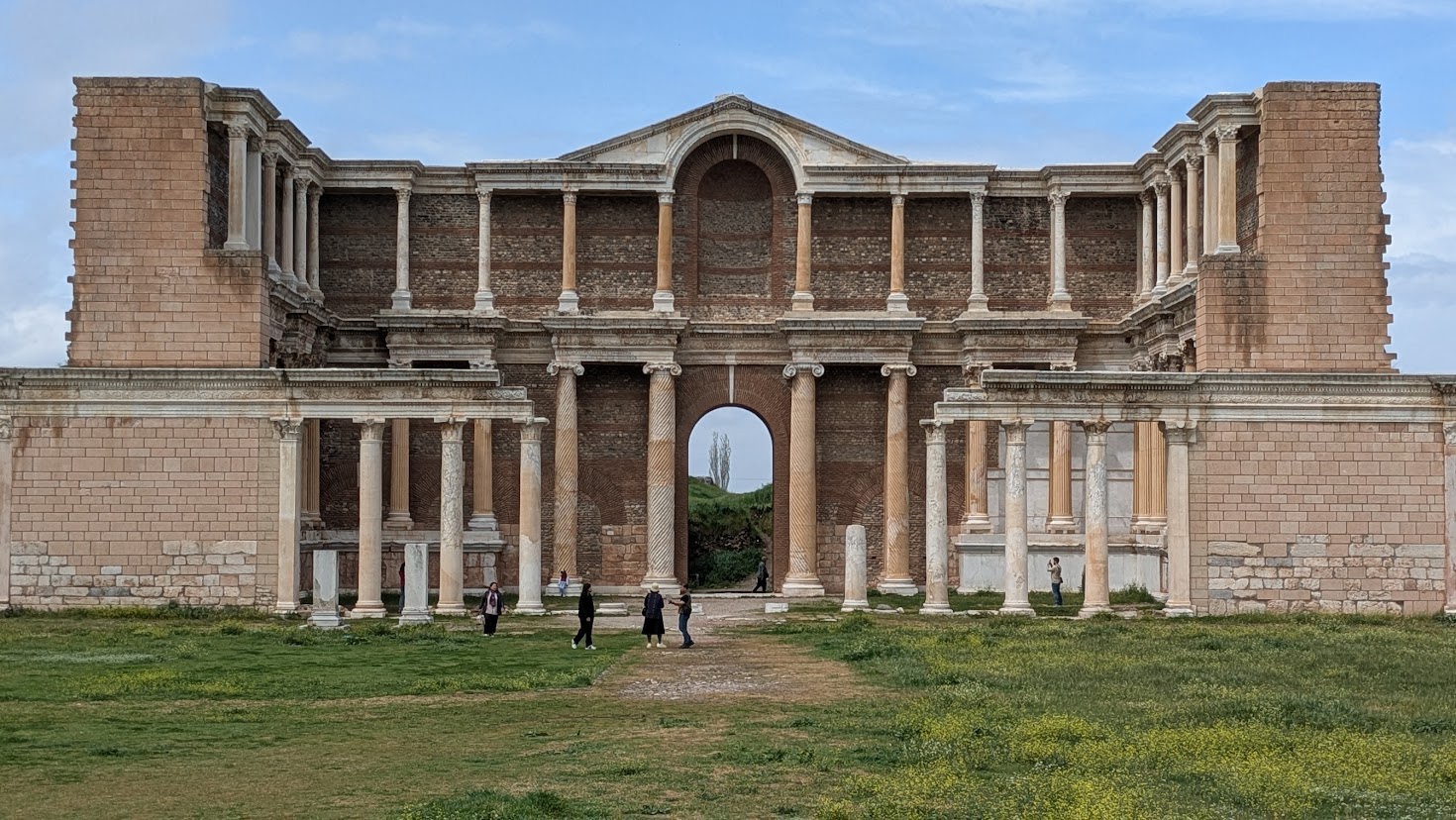
Sardis in the First Century
The book of Revelation contains letters to seven Christian assemblies that were located in western Asia Minor (today’s Turkey). People sometimes ask, “Were these real churches?” to which I respond, “These were real churches in real cities.” I have written a series of blogs to explain in more detail some of the things being relayed by John in Revelation 2-3, often entitled: The Seven Churches of Asia Minor. The first article (here) gives an introduction to the Seven Churches of Revelation. The second article (here) explains the leadership of churches in the first century. A third blog (here) examines the character of the seven churches.
I have them written and excerpted from my book information on each of the seven churches individually. These articles include information not found in most commentaries. You can scroll through the series of blogs, or click on an individual church: Ephesus, Smyrna, Pergamum, Thyatira, Sardis, Philadelphia, and Laodicea.
I studied these cities, traveled to see their remains, and wrote about them in a book entitled “John’s Apocalypse: A Jewish Idea.” To fully understand the book of Revelation from a first century perspective, you should purchase the book (actual book; electronic book, or audio book, or buy it at your local book store) and read it in its entirety. A sample is below:
What was Sardis like in the First Century?
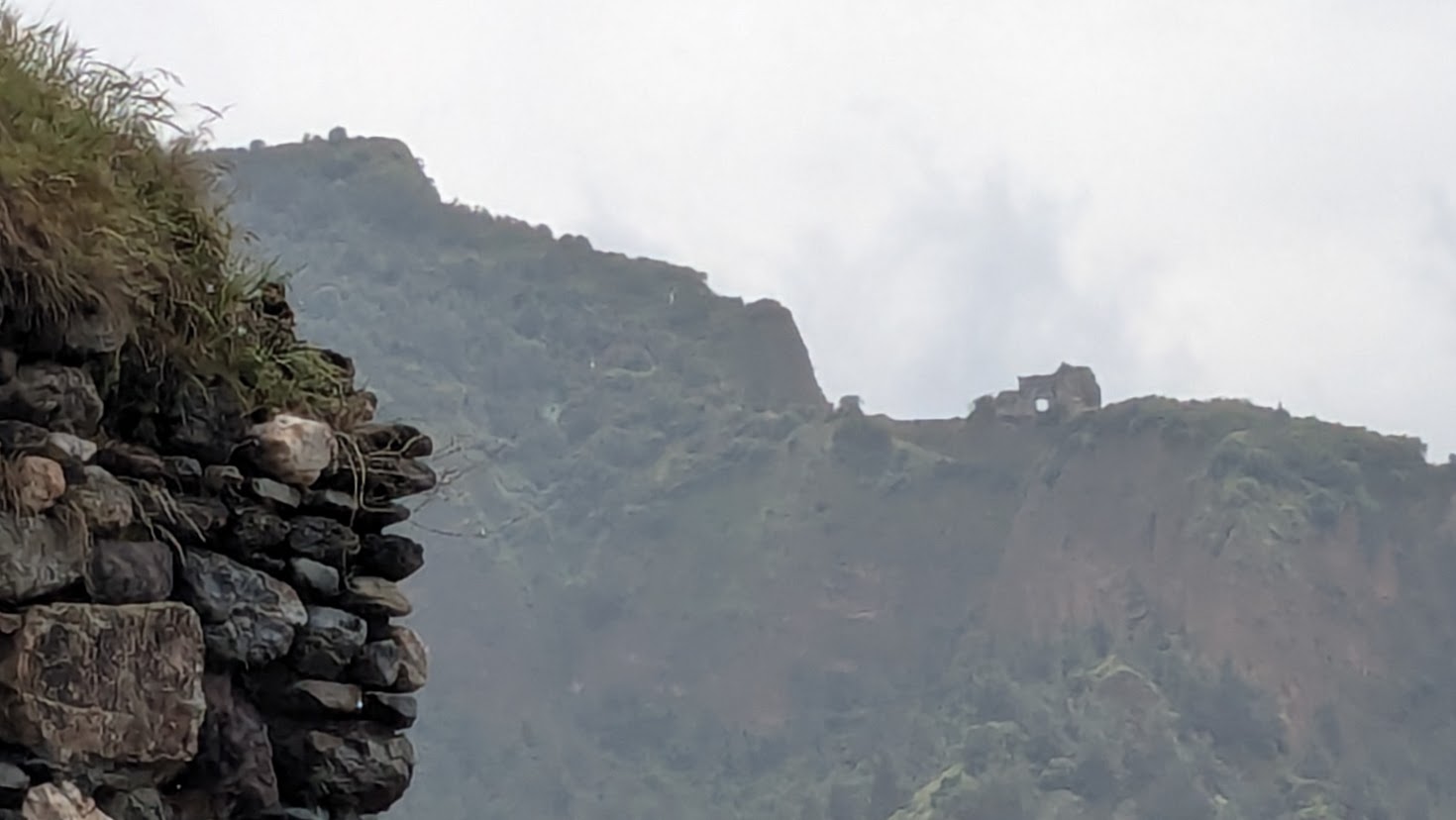
The historic city of Sardis was once the richest city in the world, and later, in the days of Queen Esther, the westernmost capital of the 127 provinces of the Persian Empire. The ancient city of Sardis sat above the valley on a 1,500-foot-high spur of Mt. Timolus, protected on three sides by sheer cliffs and strong walls. This setting helped Sardis to become a city of powerful kings. The Greek historian Herodotus wrote that the sons of Hercules founded the city, and they formed the Lydian empire. King Croesus reigned from 585-546 BCE, during that time people discovered gold in the Pactolus River, which flows off of Mt. Timolus. Sardis minted the world’s first coins.
What was the Church of Sardis like in the First Century?
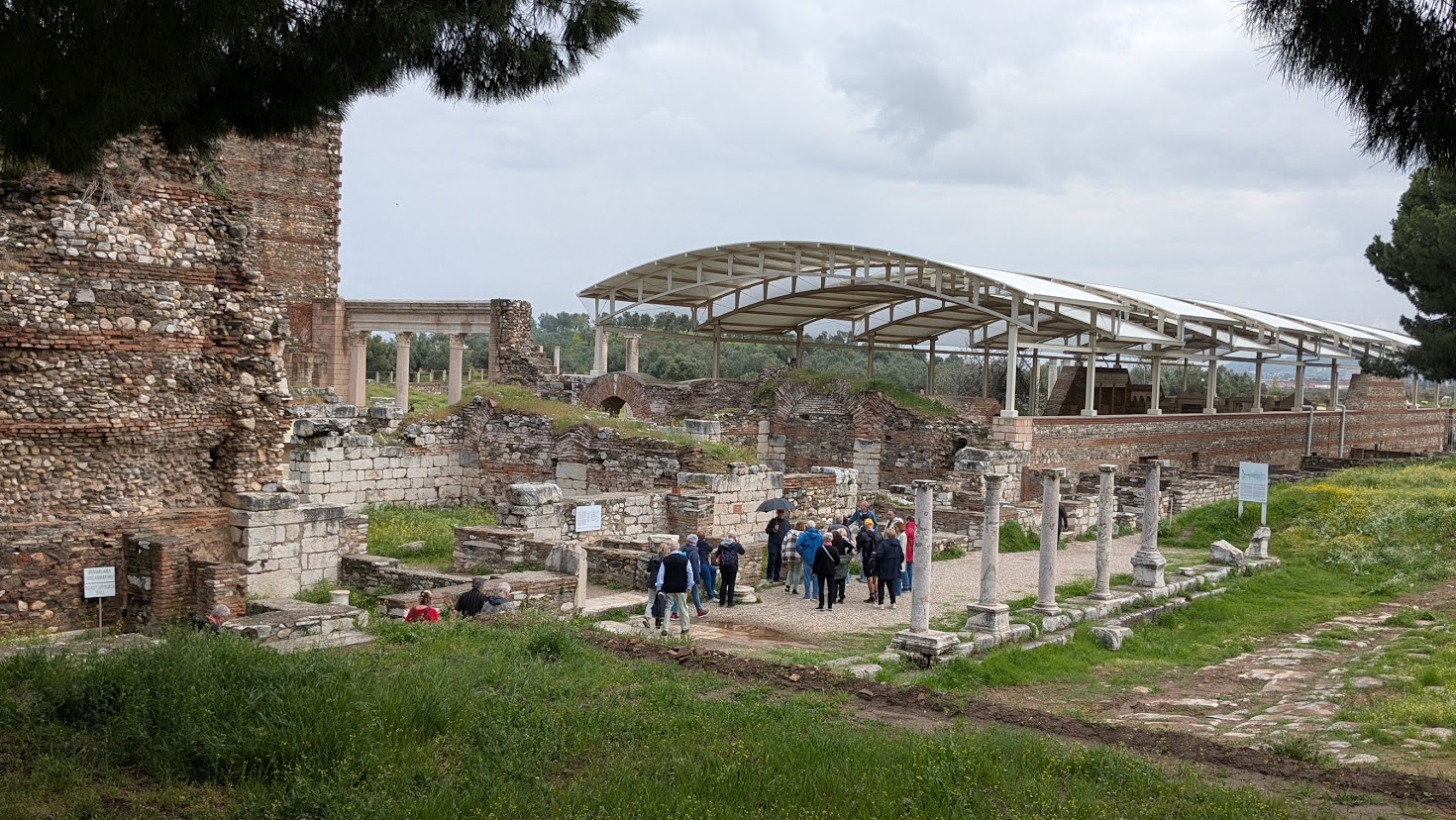
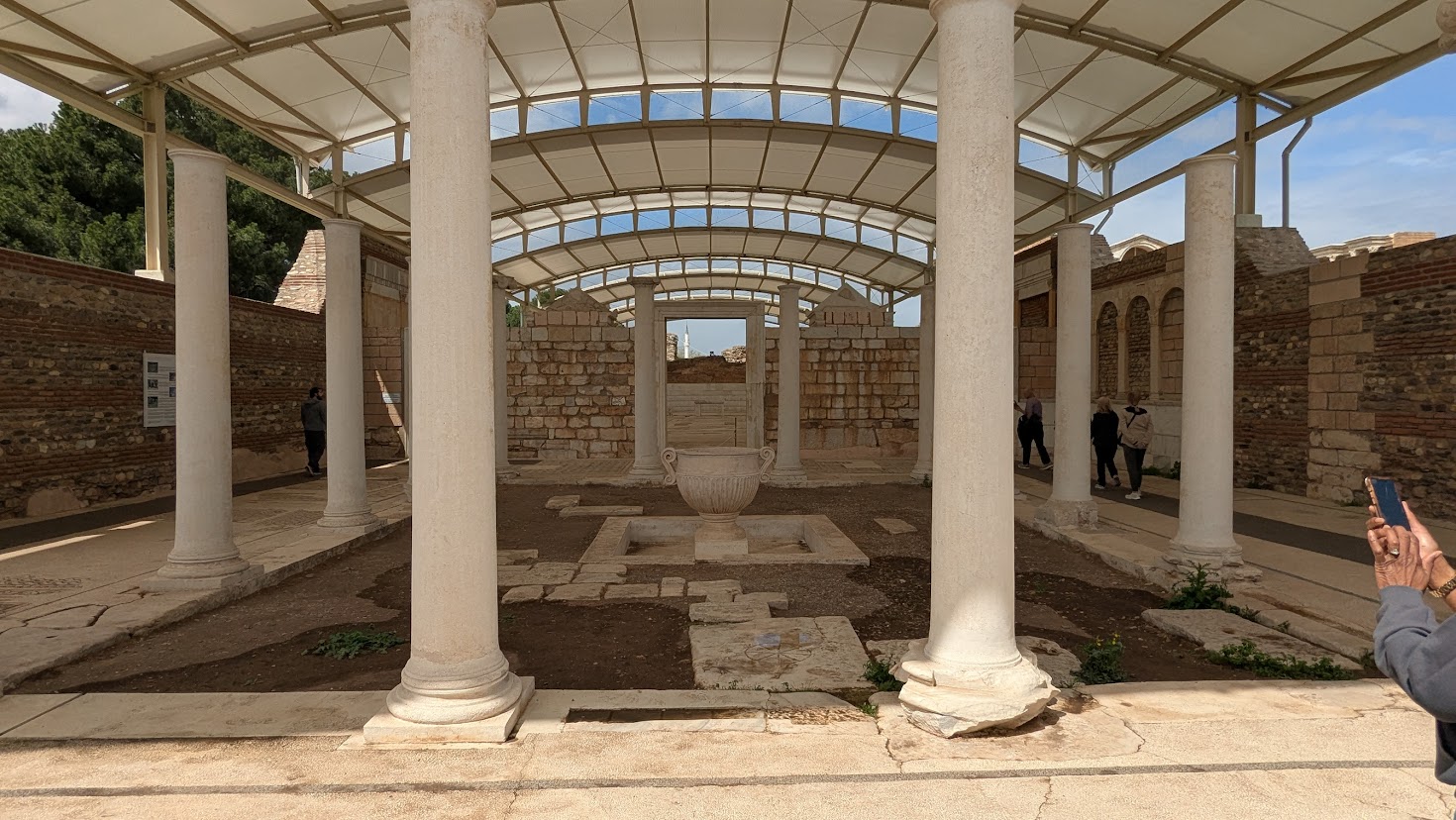
The Book of Obadiah tells us a Jewish community existed in Sardis before the time of Nebuchadnezzar. (Obadiah 1:20, Sepharad = Sardis) Persian King Cyrus at a later date reinforces this population by sending exiles from across his kingdom who will stabilize the newly conquered Lydian Empire and protect the frontier of his kingdom. At that time, Jewish merchants built a synagogue (Ant 14.10.17; 16:6.6) and received the freedom to govern themselves. Archaeologists located the ruins of a building once a gymnasium, and expanded after the earthquake of 17 CE to included shops, a synagogue and an early church.
What did the Jews see in these verses?
Josephus wrote, “When Artaxerxes had taken the kingdom, and had set governors over the hundred twenty and seven provinces, from India even unto Ethiopia, in the third year of his reign, he made a costly feast for his friends, and for the nations of Persia.” (Ant 11.6.1) The book of Esther, which begins with this feast, lays the foundation for the Jewish festival of Purim.
During the feast, King Artaxerxes sent seven eunuchs to bring Queen Vashti to a room full of men. She refused, and seven nobles advised the king to send her away. When the king announced a beauty contest to find a new queen, a Jew named Mordecai arranged for his niece, Hadassah (Esther’s Hebrew name, which means a myrtle tree), to enter the contest. Esther (Persian for a star) won the contest, but she had a weakness. Even though she learned the Jewish faith from childhood, the Jewish queen has no qualms about eating the rich nonkosher foods of the palace. She lives in a dream world she hopes will never end.
But Esther’s dream world ended when “Haman, the son of Amedatha, by birth an Amalekite, that used to go in to the king,” issued an edict to kill the Jews throughout the 127 provinces of Persia. Mordecai sent a message asking Esther to make an appeal to the King. At first, she refused, but then Mordecai sent a message back. He reminded Esther that she was a Jew and would also face death. Queen Esther awoke to her heritage and saved her people from destruction. This is the beginning of the festival of Purim.

How can I learn more?
To read more about the Seven Churches and to learn more about what John was saying to early believers in Jesus, purchase the book “John’s Apocalypse: A Jewish Idea.” (actual book; electronic book, or audio book, or have your library order a copy so you and others can read it!) so you can see the the Apocalypse as others understood the book at its initial release.

