What does the word “soon” mean in the Book of Revelation
The Apocalypse opens with the words, “The revelation from Jesus Christ, which God gave him to show his servants what must soon take place.” As the first words of John’s book, the final book of the Christian Bible, John sets the stage for all that he is to write. So we must look at what this means.
John does not intend these words to be a mystery for us because the title of the book is “The Apocalypse,” which means to remove the covering of mystery. English translations entitle the book “The Revelation,” which means, “The Revealing.” The final book of the Bible begins its revealing in the first sentence …. but what does this mean?
Does John really mean “Soon”?
Teachers of the book of Revelation find strong disagreement when they discuss the word “soon” in the Apocalypse. The Preterist camp of scholars believe this word means the prophecies were fulfilled in 70 CE. Dispensational Premillennialists have invented a valley between two hills to teach “soon” is a mirage and a 2,000 year gap exists in the valley of history existing between the two hills seen in the book of Revelation. Other theologians have other opinions.
With such strong disagreement, is the word “soon” really important in learning the meaning of the Revelation?
Could “Soon” have been a mistake?
There can be no doubt that John meant to tell “what must soon take place,” because the concept is repeated three times in the first chapter and also appears in the chiasmus of the final chapter of the Book of Revelation.
John writes in the third verse of the Apocalypse, “blessed are those who hear it and take to heart what is written in it, because the time is near.”
John clearly intended to convey “what must soon take place,” as he repeated the concept three times in the first chapter and included it in the chiasmus of the final chapter of the Book of Revelation.
What does the word “Soon” mean?
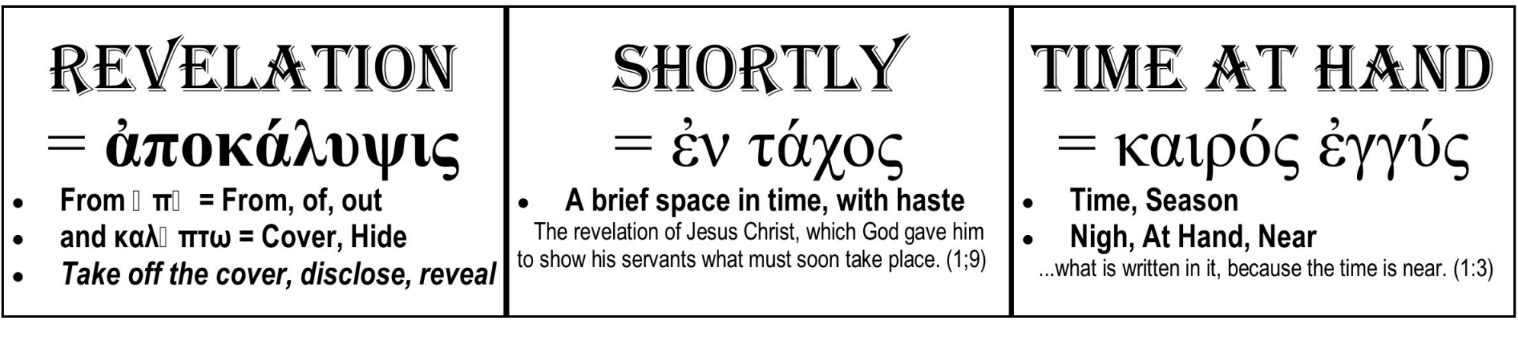
John actually uses two different words meaning “soon” in the first chapter of Revelation. In the first verse John uses the Greek word “τάχει.” In the third verse he uses the phrase “καιρὸς ἐγγύς.” The text provides three phrases in verse 19: things that ”ἐγγύς,” things that “εἰσὶν.” and things that ”μέλλει γενέσθαι,” with a concluding ”μετὰ ταῦτα.”
The Greek word “τάχει” means shortly, a brief space in time, or quickly. The two words “καιρὸς ἐγγύς” mean the set or proper time (or season) is at hand, near or ready. In Greek, “ἐγγύς” is the first person singular present indicative; a prolonged form of a primary and defective verb; I exist {used only when emphatic} or to be (Strong’s Concordance). The term “μέλλει,” a strengthened form of melo (through the idea of expectation); to intend, i.e. Be about to be, do, or suffer something (of persons or things, especially events; is compounded by “γενέσθαι” which means to cause to be, arise, be assembled, or be brought (to pass). “μετὰ ταῦτα” means amid hereof.
What caused John to feel urgency?
In 70 CE, Jerusalem, the Romans destroyed Jerusalem along with its Temple, Priesthood, and Altar. Neither the Yom Kippur Atonement offering nor the Daily offerings could continue. In addition the light from the Menorah ceased to shine and the Holy of Holies was in ruins. Joshua ben Hananya, whom the Apostle John knew, wrote, “Woe unto us, the Temple is destroyed, the place where Israel’s sins were atoned.”
At this point in time Christianity was a sect of Judaism and still felt a connection to the Temple. Paul visited the Temple and went through purification ceremonies on his final visit to Jerusalem in 58 CE (Acts 21:26). Every reader of the Mosaic scrolls felt grief at the destruction.
John, as the last living Apostle of Jesus, sought to explain why God allowed the destruction of the Temple in 70 CE, to share the importance of Jesus’ sacrifice, to assure believers of salvation, and to offer hope God would destroy evil and restore His blessings.
What does Jesus say about the word “Soon”?
The gospels strengthen John’s usage of the word “Soon” in the Book of Revelation. In a passage, now known as “the Little Apocalypse,” Jesus foretells the destruction of Jerusalem. A close reading of this passage in each of the three synoptic Gospels reveals Jesus speaks directly to his listeners, indicating that some of them will experience what is often called “the Day of the Lord.” Matthew reports Jesus said, “This generation will certainly not pass away until all these things have happened.” (Mt 24:34; Mk 13:30; Lk 21:32)
Matthew reports Jesus’ desire to gather Jerusalem’s children together, as a hen gathers her chicks under her wings, but the sin of the nation was too great to stop the coming destruction. (Mt 23:37-39) When John wrote the Book of Revelation, the destruction was past tense, but John urgently wanted to let his readers know why God would allow such a disaster.
John also felt the necessity of telling people God still loves them. John sought to inform the entire world that, despite the destruction of the altar and the Temple, Jesus’ Atonement offering removed all worries for faithful believers.
What was John’s urgent message?
John told believers not to fall from the faith (wear clean clothing) because “the one who is victorious” will gain the right to eat from the tree of life, which is in the paradise of God.” How was this possible? “the Lion of the tribe of Judah, the Root of David, has triumphed.” The Lamb that was slain has taken away the sin of the world..
John relates how Jesus lived, died on the cross, arose from the dead, and is seated at the right hand of God in Revelation 11. He proclaims, “The kingdom of the world has become the kingdom of our Lord and of his Messiah, and he will reign for ever and ever.” All of heaven gave thanks and then, “God’s temple in heaven was opened.”

Do You Want to Know More?
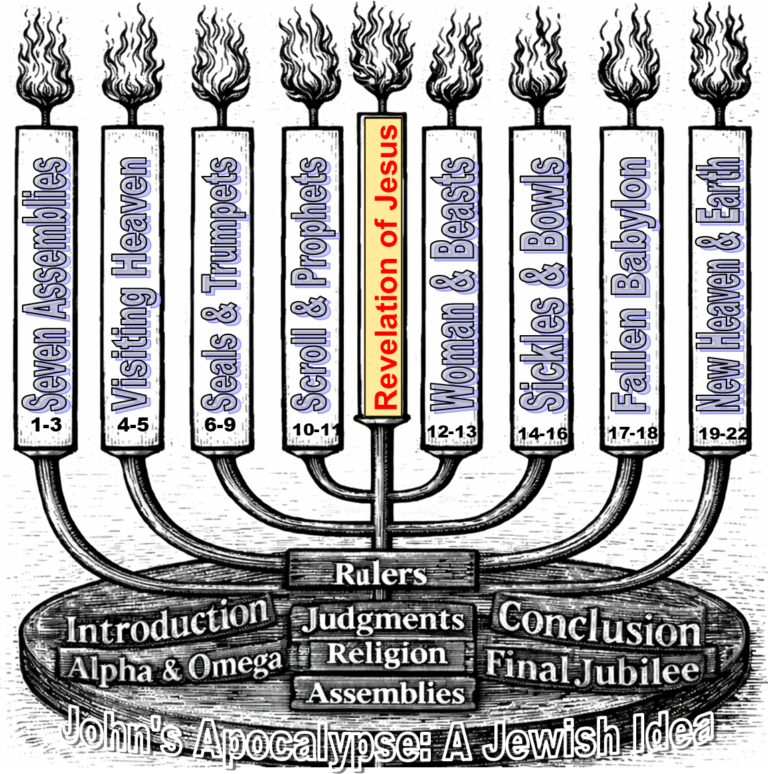
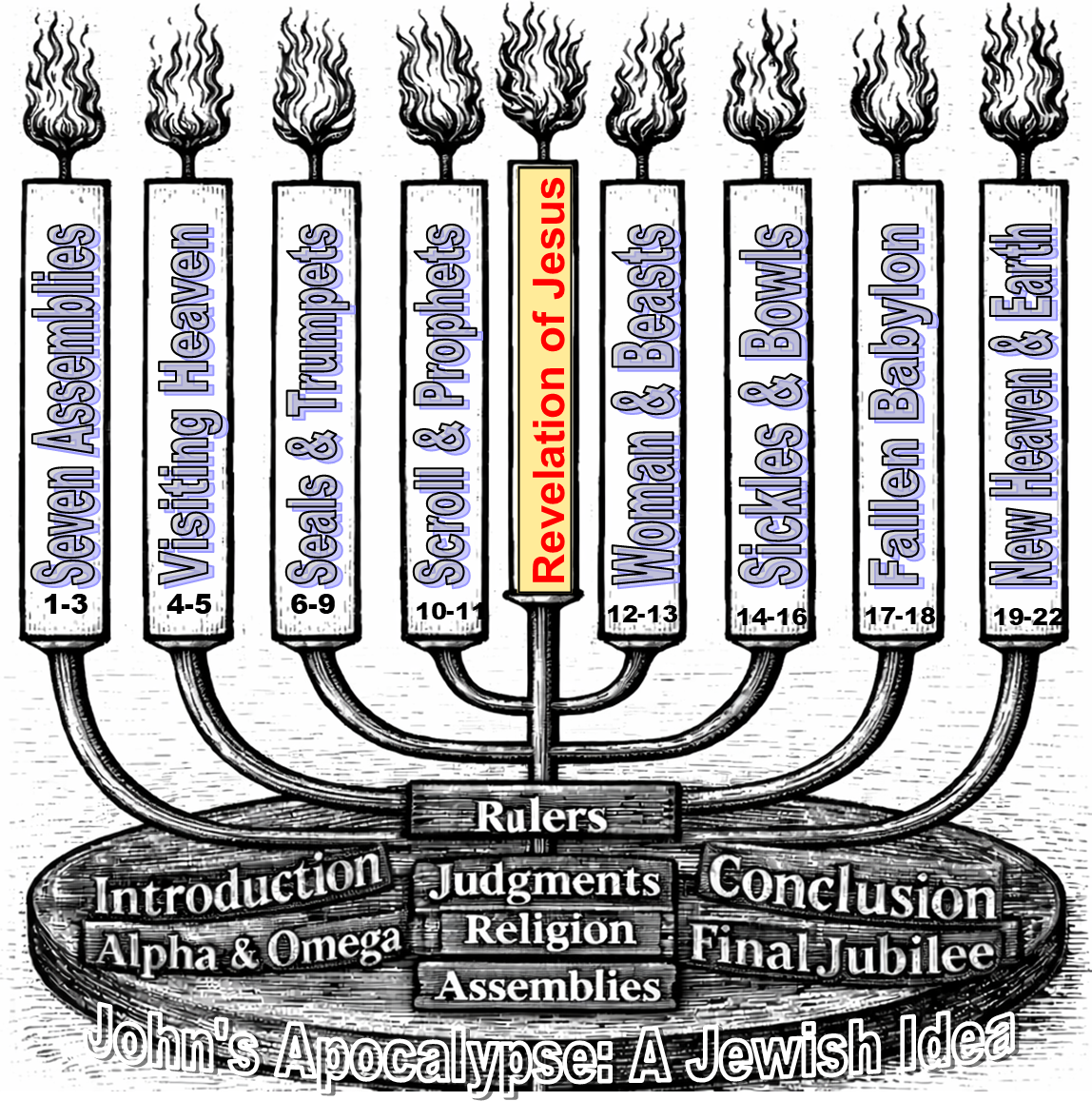
I cannot put all the things John taught into a single blog, so I put a full explanation of John’s understanding in the book “John’s Apocalypse: A Jewish Idea.” This book will help you understand the message of the Book of Revelation and its relevance to today. Because I found all of the futuristic eschatological mazes so hard to understand, I undertook a 10 year study. Through the Bible, Jewish traditions and historic writings the message of the Apocalypse for John’s generation and ours became clear and understandable. This book can help you clearly understand the words and message of the final book of the Bible.