The Seven Churches of Revelation: A Deconstruction Idea
When 21st Century citizens look back to study the churches of the first century we carry a lot of cultural baggage with us. If a person fully wants to understand the churches John or Paul describe in their writings we must step back into the past to experience church culture.
The Beginning Point
To begin our journey back to the first century church we must first understand:
1. Jesus was Jewish. In this examination consider what we read and examine the Gospels. Sometimes we read them through our 21st-century ideas. Take the ideas I write about and see if the Bible (or other sources) verifies or rejects these cultural standards.
2. The 12 disciples, Paul and most of the New Testament writers were Jewish. That should go without saying, but sometimes people do not think that way. Thes participants in the first-century church took their ideas with them. They lived then and not now.
3. For the first 25 years most members of the Christian Church were Jewish, in fact many in the first cemtury considered the Christian movement a Jewish sect rather than a new religion.

The First Century Church is Not What We Think
In the beginning Christian congregations (the church) met in homes, Jewish Synagogues, under trees, in caves, on mountain tops, or along the shores of a lake. The setting of the church was very informal. There were no pulpits, no microphones, no video, and no choir. People did not sit in pews, and there was no official Pastor, Preacher or Rector. There were just believers, proselytes, and other community members (some churches today call them seekers).
The organization we think of as a church arose from the Synagogue concept. Synagogues in the first century were a rather new idea where people of a particular faith and ethnicity met together in their community to share in things common to them: meals together, recreation, religous discussion and teaching children. The Synagogue was more of a community center than the center of a religion. Until 70 CE the central meeting place of the Jewish religion was the Temple in Jerusalem. If you read the Bible closely you will see Jesus went there, and Paul thought it was important to travel there also. The Bible records that people from all over the world traveled to Jerusalem for the day of Pentecost … and for the other Harvest festivals as well.
Who was the Leader of a local First Century Church?
The letter to each of the seven churches in the book of Revelation begins with the words: ““To the angel (or messenger) of the church in…” Most people assume this refers to the Pastor, Priest, Rector or Rabbi, but it does not! The person who presided over local churches in the first century was a non-ordained member selected by the congregation for a term of service; this person could be more effectively called the president of the congregation. Matthew 9:18; Mark 5:22; and Luke 8:41 introduce a “ruler of the Synagogue.”
The “ἄρχω” or leader of the church was more of an administrator than a Priest. The leader of the church organized people to perform the tasks needed to keep the Synagogue (or community center) opened. He made sure the building was maintained, organized the biblical scrolls, led meetings, managed the furnishings, and kept in touch with community members (making sure the sick were cared for). The ruler of the church did not deliver sermons every Sunday, rather he organized scripture readers and any speakers. The ruler might lead the liturgy or lead prayers. He was an important community leader.
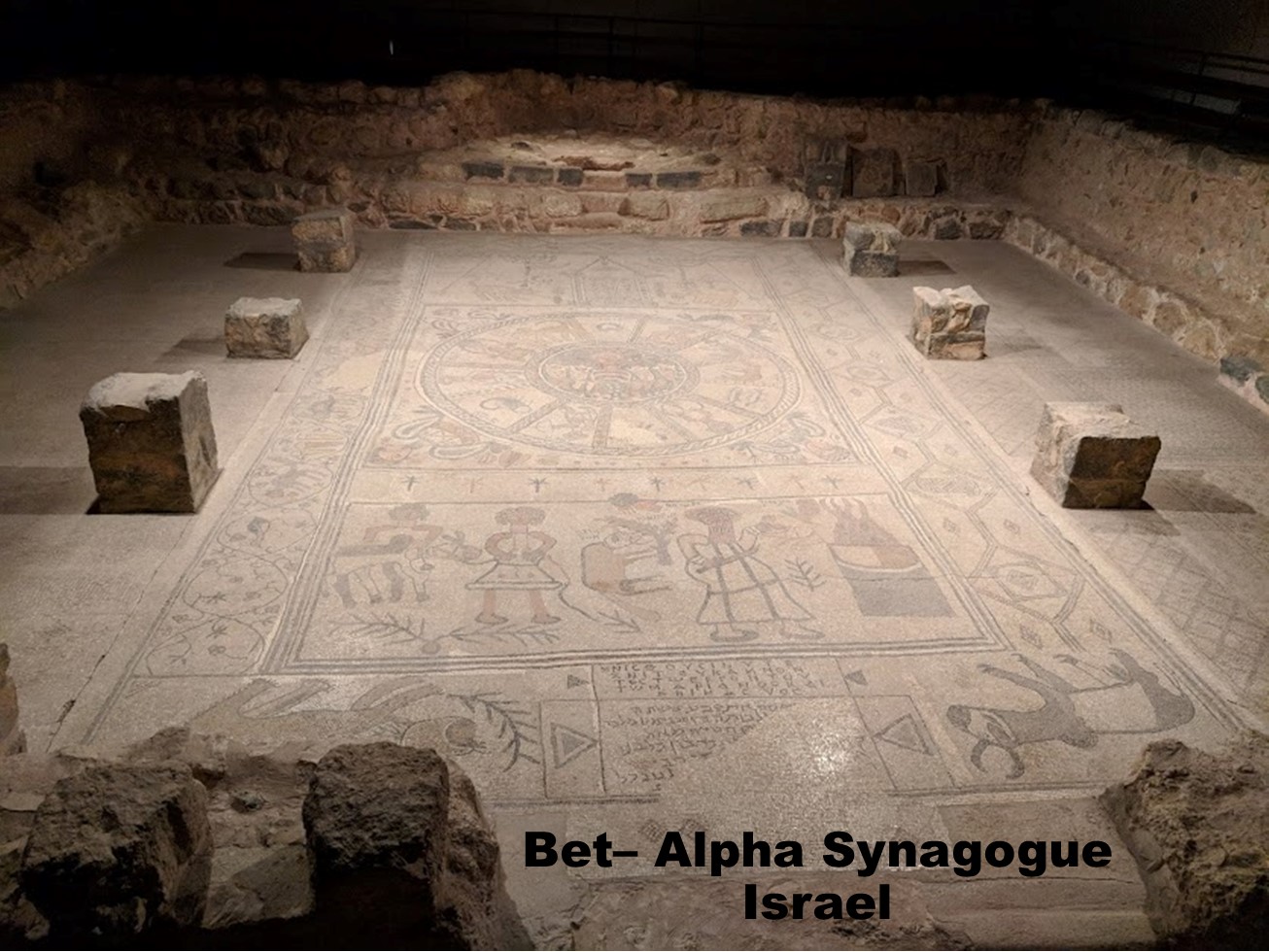
How did this change when the Synagogue turned into a Church?
In the first century Christian congregations functioned like the Synagogue. In some of his most distinctive writings Paul lists church officers and their requirements for service. These are not ordained professional clergy, but simple members who have gifts and abilities to advance the local congregation and the work of Jesus. He lists these leaders as
1. The “ἐπισκοπή” (elder, overseer, bishop – 1 Timothy 3:1 from the Greek words “ἐπί” meaning upon and “σκοπός” meaning observer or watchman) These are members with experience in life who can keep the church from making mistakes. They watch and observe what is happening;
2. “διάκονος” (servant – 1 Timothy 3:8). These are members who have the ability to serve others. They wait tables (Acts 6) open and shut doors, take food to widows. They are not the governing bodies of “Deacon’s” we have today, but actual people who serve others and take their example from Jesus washing feet at the Last Supper;
3. “πρεσβύτερος” (presbyter or elder – 1 Timothy 5:1, 17, 19) and “χήρα” (widow – 1 Timothy 5:9). Again these are people who have experience, who are older in age and have served in the church a long time. They are to be mentors and guide the younger generation.
4. In Ephesians 4:11 Paul lists: “apostles, the prophets, the evangelists, the pastors and teachers, who are to equip his people for works of service, so that the body of Christ may be built up.” The apo-stello are those sent out from the church to help in other churches or serve as missionaries; prophets are those who speak the word of God when necessary. Evangelists tell the good news (and never get involved in politics). Pastors visit people and care for the sick just like shepherds care for the sheep. Teachers share God’s word so others can understand. They train the other workers in the church for their place of service.
You will note that the title for each of these officers more closely relates to the “ἄρχω” or leader of the Synagogue than it relates to the roles of Priest, Rector, Bishop, Pastor as we think of them today.
Some records of “archisynagogos” exist in Asia Minor, such as a Greek inscription that mentions
Rufina. Lydia of Thyatira was probably the “archisynagogos” of Philippi. Chloe was the “archisynagogos” in Corinth (1 Cor. 1:11). Gaius was the president of the Church at Pergamos.

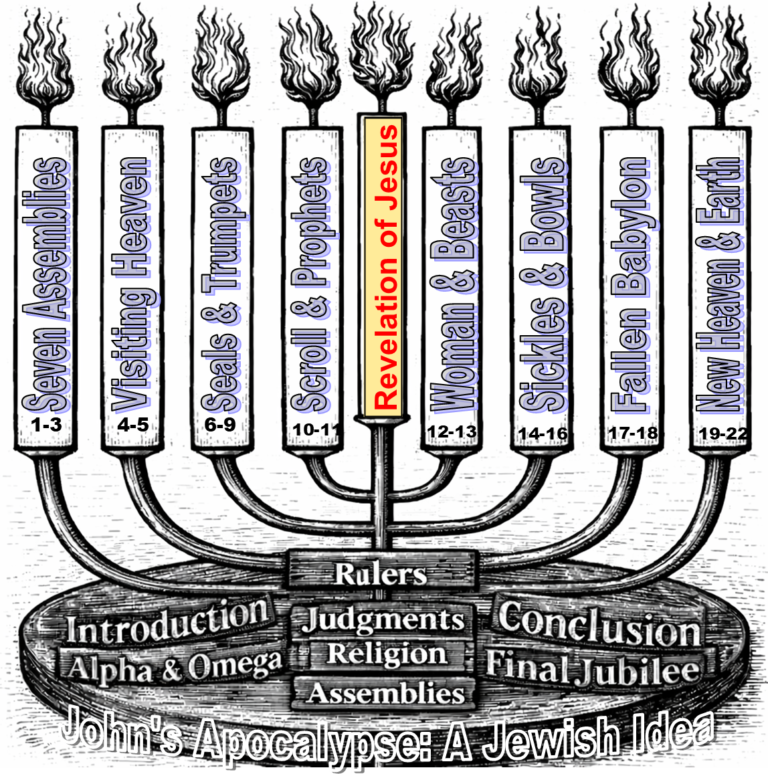
If you want to know more about the Seven Churches of Revelation, read my blogs on this subject, or for a better understanding, get a copy of my book “John’s Apocalypse: A Jewish Idea,” You can also visit my blog on each of the seven churches: Ephesus, Smyrna, Pergamum, Thyatira, Sardis, Philadelphia, and Laodicea. Then you will get the full picture.