Political Savvy of Herod the Great
Herod the Great left a legacy as a man deeply enmeshed in the world of politics. The man with a name so familiar to readers of the gospel as a local leader had a gift of positioning himself for power on the world stage. The boy who entered the world as Herod ben Antipater in the occupied territory of Idumea.
Childhood years of Herod
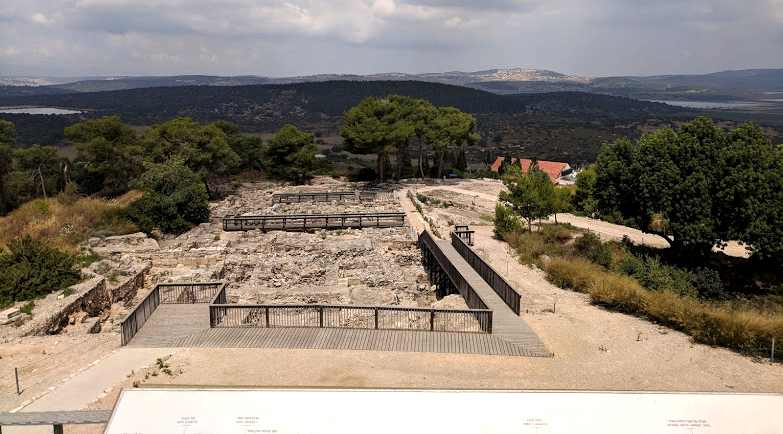
In his early years Herod and his brothers watched doves at his father’s farm near Guvrin, near the base of the hills and to the southwest of Jerusalem. Herod’s father, Antipater the Idumean was a businessman and a farmer with international connections. In order to protect his community, Antipater participated in military exercises and eventually became a commander. On one occasion Antipater’s forces saved Julius Caesar from an ambush near Alexandria, Egypt. The future Roman emperor appointed Antipater as governor of Judea.
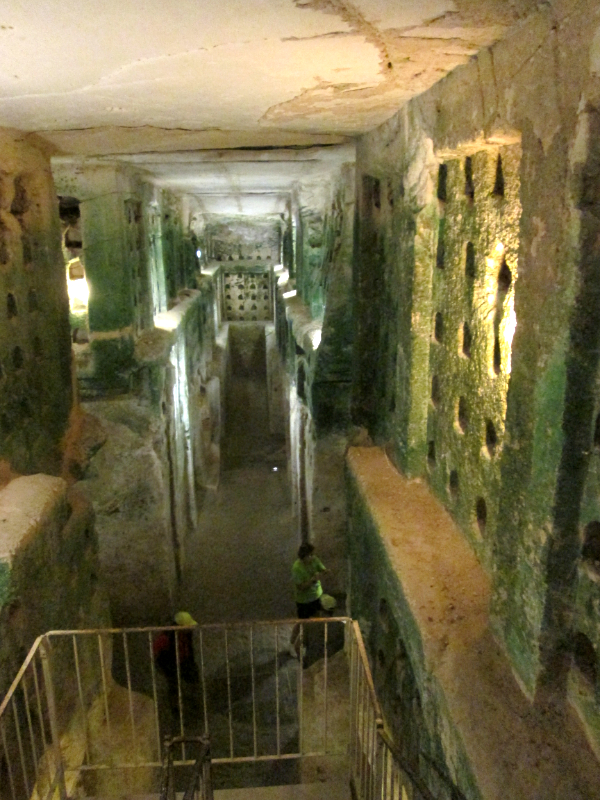
Young Herod learned many lessons while watching his father in action. He learned military skills and gained political savvy. Antipater and Herod navigated shifting Roman allegiances throughout their careers. The men’s loyalties shifted from Pompey to Julius Caesar to Mark Anthony and finally to Gaius Octavius who became known as Augustus Caesar. Herod became governor of Galilee at the age of 25.
Herod’s years in Galilee
The region of Galilee was the northern frontier for the Jewish nation. The area received more rainfall than fell across southern land areas, and therefore produced more plentiful crops. A portion of the Jewish populace was moving north to seek prosperity from the land. A few others moved north to find riches through banditry.
The spectacular rise of Herod was not without detractors. One of his adversaries was hereditary Jewish King John Hyrcanus II, a descendant of the Maccabees of Chanukah fame. Hyrcanus held the official position of the High Priest at the Temple, and was a friend of the Pharisees. At a point in time, it came to the attention of the Hyrcanus and the Pharisees that a bandit by the name of Hezekiah had been captured and beheaded by Herod’s and his troops without a trial. This was illegal by Jewish law.
Herod the Great’s Sanhedrin Battle
Herod was ordered to come before the Sanhedrin for a trial. The young governor came with bodyguards for safety. The court found him guilty, but for their own safety, released him to go home. The young governor remembered the trial, and saw that forty-six members of the Sanhedrin met an untimely death.
The young governor worked to enlarge his power base. He worked with Mark Anthony of Rome and Cleopatra of Egypt. After Mark Anthony lost favor, the young king became friends with Octavian. He became governor of Galilee in 47 BCE, was appointed king by the Roman Senate in 40, was given authority over Judea in 37, and won kingship over everything in 34 BCE after a war with Antignonous the Hasmonean. Herod married ten different wives and appointed several High Priests in order to forge political connections and build his power.
Herod took on the title of Great due to his political connections, power, and his building projects.
Herod the Great’s Building Projects
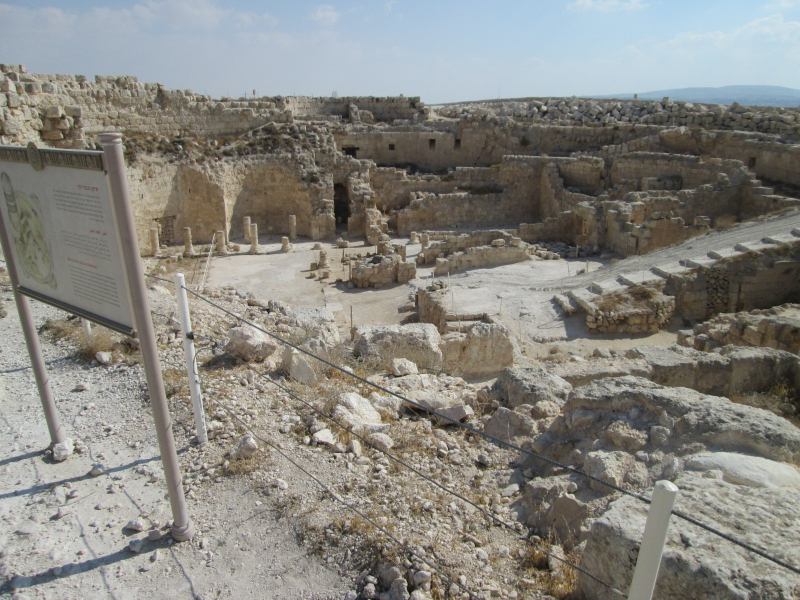
King Herod, in the period of his reign became interested in building projects. He planned and funded many buildings across the Roman Empire. Many still stand today. The King acquired, refurnished, and built at least fifteen palaces (Antipatris, Appolonia, Cesarea, Herodium, Jericho, Jerusalem, Machaerus, Masada, Sebaste to name a few). He strengthened the wall in Jerusalem.
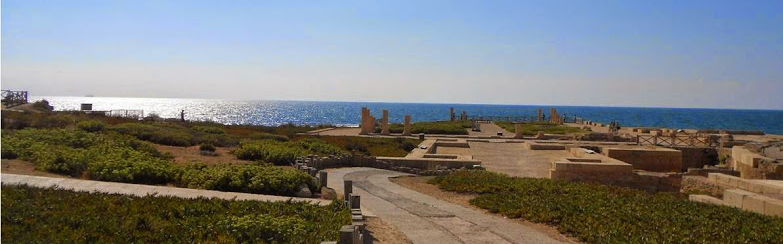
King Herod also undertook several water projects (including pool of Siloam), and in order to find favor with the Jewish people, he constructed a large, lavish Temple to replace Ezra’s Temple. Herod erected several pagan temples, theaters, amphitheaters, Hippodromes, and refurbished the Tomb of Abraham in Hebron. One of his most beautiful and massive projects was a totally new seaport at Cesarea-Maritima. In all probability, Joseph and his son Jesus worked on some of these projects.
King Herod was a very fearful man. He killed one of his wives, three of his sons, infants in Bethlehem, rebels, and many political opponents. The great leader maintained relations with Rome throughout his reign. his sons and grandsons lived for a long periods of time in this capital city. Herod the Great held power at various levels for fifty years, and left four generations of kings to rule in the land.
There are many places to learn more about Herod the Great. One of the most fun places to find stories about this man is in my book Israel: Stories for Your Journey. This book is a collection of stories from history, folklore, traditions, and customs from the land of Israel. Over 250 stories are told from every period of history, and are organized by region of the country. The book, especially the kindle version is one of the best resources a tourist can have for preparation and during the period of their travels on a tour of the Holy Land.

My book Advent Journeys takes a more personal look at King Herod through the eyes of the Magi and the Shepherds at the time of Jesus’ birth.