What is the meaning of the book of Revelation?
The book of Revelation, unbeknownst to most people, is a well-written document with an understandable story-line. A Jewish apostle of Jesus named John wrote the book about a confusing period in Israeli history. He wanted to explain the dire situation his homeland (Galilee and Judea) had just experienced with some insight from God (Jesus talked about this situation in Matthew 24, Mark 13 and Luke 21), so he named his book “The Revelation” or unveiling. John wrote about what happened (notice, past tense, not future) and the aftermath (to understand the time frame, read Revelation 1:1-3). John is talking to Israeli people about a disaster that happened in their homeland.
Why do you say John is talking to the Jews?
John was a prophet like Isaiah (who comforted Judea when the Assyrians attacked), Jeremiah and Ezekiel (who spoke to the Jewish people when Nebuchadnezzar destroyed Jerusalem and the Temple in 586 BCE), and the other prophets who spoke to fellow citizens of their nation during difficult times, when people needed a word from God. John did the same.
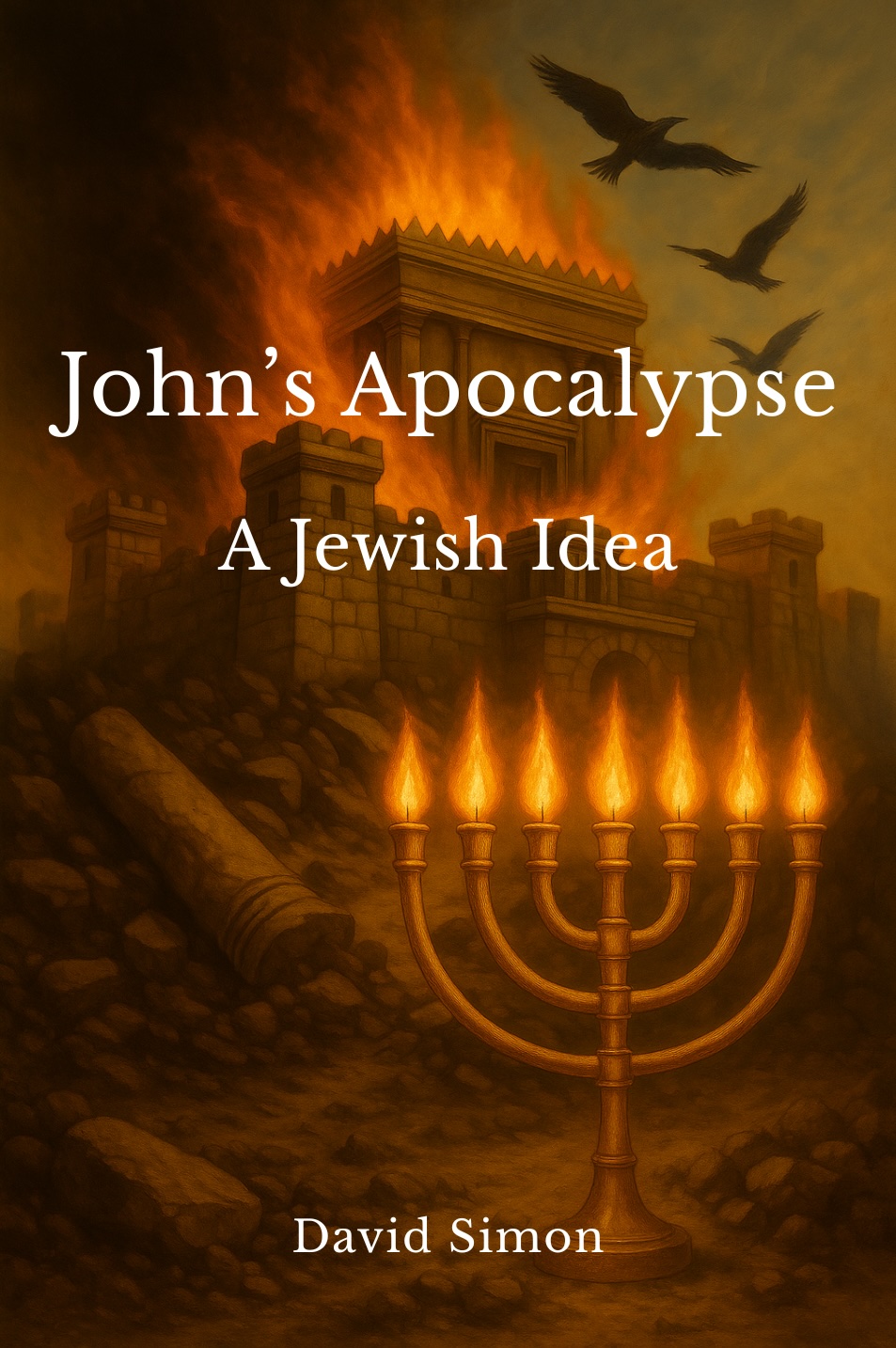
When prophets speak the word of God, they speak truths that can apply to all people anywhere: in times of peace, and especially in times of trouble. This is what John did. (I explain this all in my book “John’s Apocalypse: A Jewish Idea … get a copy today!)
Why is there so much confusion about the book of Revelation today?
Confusion comes when people try to reshape the word of God for themselves in order to make the Bible talk specifically about them, their time period, or to “make it simpler to understand.” Taking the Bible out of context never works!
1. At some point the Gentile world wanted the Book of Revelation to be about the distant future. The book does not say that. John clearly says the book is about what happened as he was writing the book!
2. Some writers say someone named John (they are not sure which John) wrote the book to stir up anti-Roman sentiment and revolution. These writers do not speak of the devastation visited upon the Jewish people. John wrote the Apocalypse less than 20 years after Jerusalem’s utter destruction, after the Temple service ended permanently, and after a bloodbath that wiped out one third of the Jewish population.
Check the facts (look up the First Jewish War). The Jewish people did not have enough strength to mount a revolution … they were just trying to figure life out! John wrote the book to help them.
The problem with gentile Christianity is that they want the story to be about Rome, not the Jewish people. Many readers what the book to be about today (or some time in the distant future), not about then (and especially not about that!) They want the gentile Christians to be the good guys … and after the Rapture they want the church to see the Jews suffer.
That is not what John wrote!!
So what did John write? What is the storyline?
The storyline of Revelation explains the destruction of Jerusalem, the end of the priesthood, and what Jewish and Gentile believers can expect in the new world without a Temple.
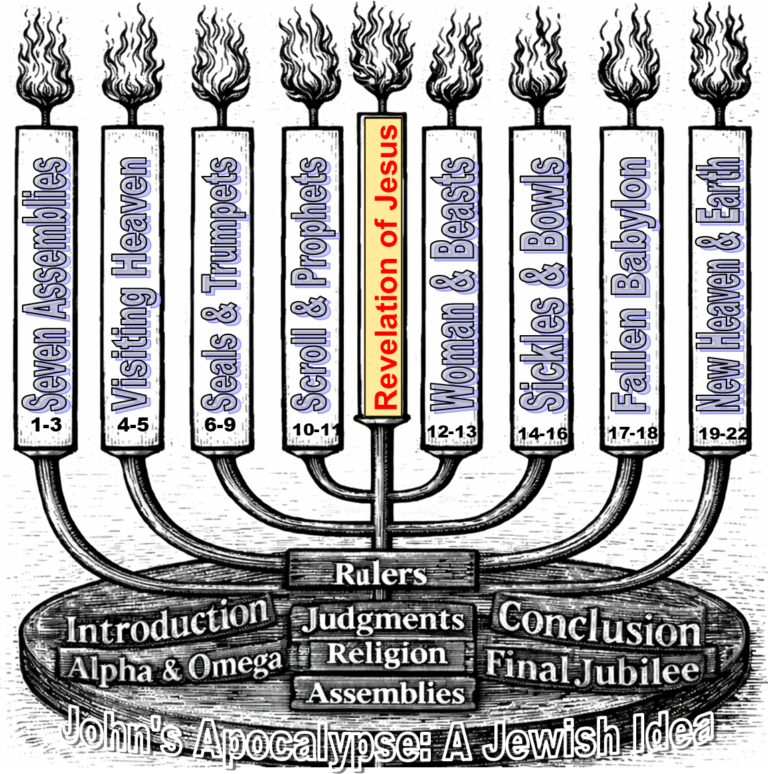
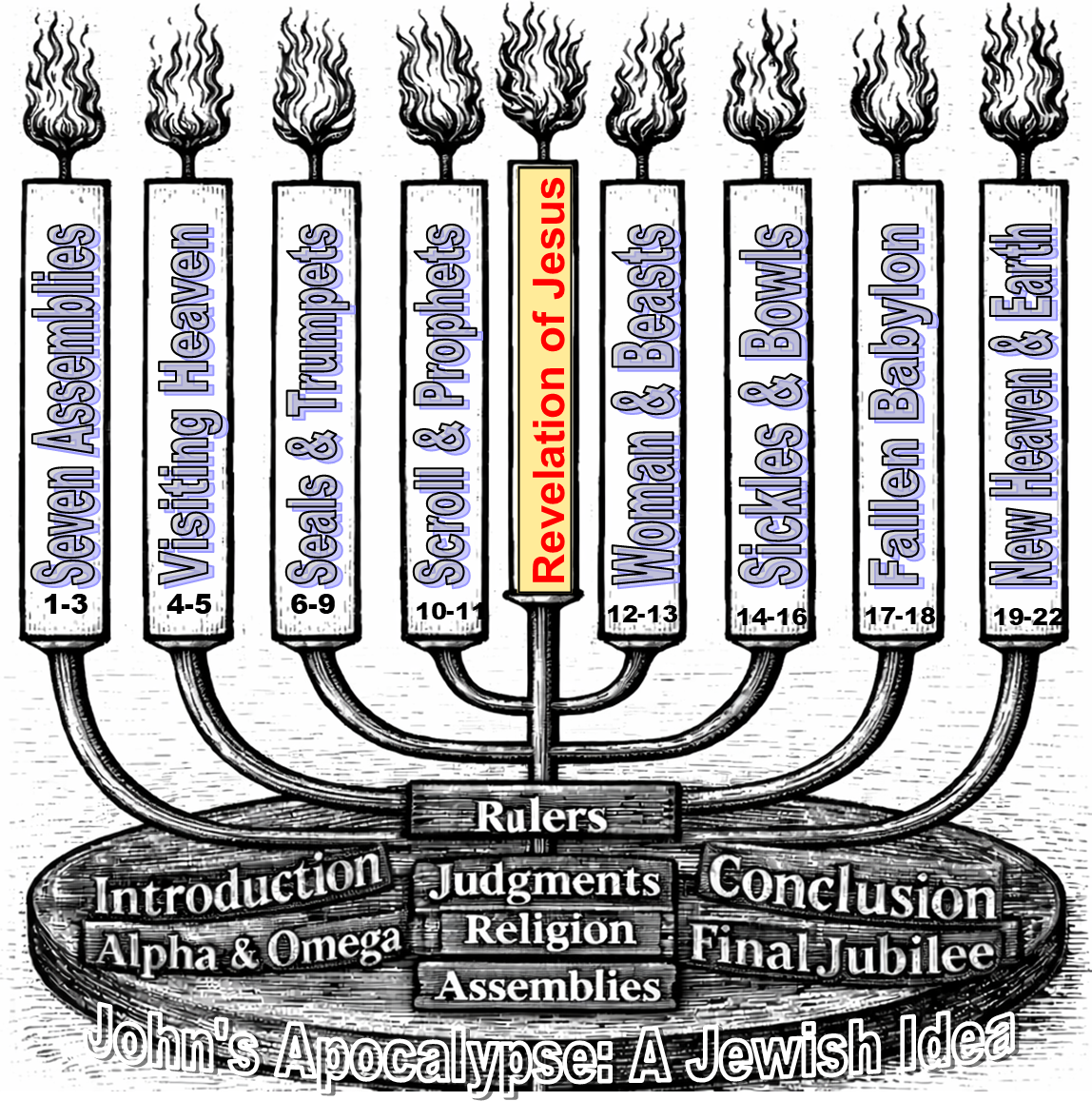
The book of Revelation contains eight sections that support and explain each other. The eight sections are actually two sets of four parts that mirror each other. Each of the first four parts leading the reader to the center of the book matches a reflective section going from the center of the book to the end. The pattern is 1 – 2 – 3 – 4 … then … 4 – 3 – 2 – 1. See the following chart:
What are the first four parts of the Revelation?
The first part of Revelation talks about the great sadness of the destruction and the loss faced by the Jewish people. The one glimmer of hope is the Son of Man whom John sees in the holy place of the Temple (even though the Temple is gone). In John’s vision, the lights of the menorah are still burning, which says there is still hope because Israel’s God is still alive. The Jews needed hope, for life after the destruction delivered regular moments of grief hidden within the messages to the seven churches of Revelation 2-3.
John visits heaven and sees the throne room of God in the second section of the Apocalypse. This portion of the book introduces the Lamb of God, who receives a small scroll to be read in Chapter 10. During their visit to Heaven, John introduces his readers to the grand music of the ancient church, which Christians continue to sing today. I will highlight these songs during the next several weeks leading up to Easter. We will explore together how they fit the storyline of Revelation.
The third section of Revelation contains judgments which take the reader back to the first destruction of the temple. Most Christians don’t realize both destructions of the Temple occurred on the same month and day in the Jewish Calendar: Tisha b’Av (look it up)! John will explain the second destruction (section 6) through historic and prophetic explanations of the first destruction.
Revelation’s fourth section becomes very personal, as John reveals people and events familiar to his readers from their memories and experiences. The apocalypse really communicates things that “must soon take place” (Rv 1:1) “because the time is near.” (Rv 1:2) The words of Mt. 24:34 are true, for Mirrors 4 and 5 (Revelation 10 – 13) occurred during the lifetime of John who was present when Jesus spoke those very words.
Tell us more about the scroll God gave the Lamb!
The first portion of Revelation tells of a scroll held by God when John sees the Almighty on his throne surrounded by the heavenly court (Rv 4). An angel asks, “Who is worthy?” But “no one in heaven or on earth or under the earth could open the scroll or even look inside,” until the Lamb appears whom God calls worthy (Rv 5).
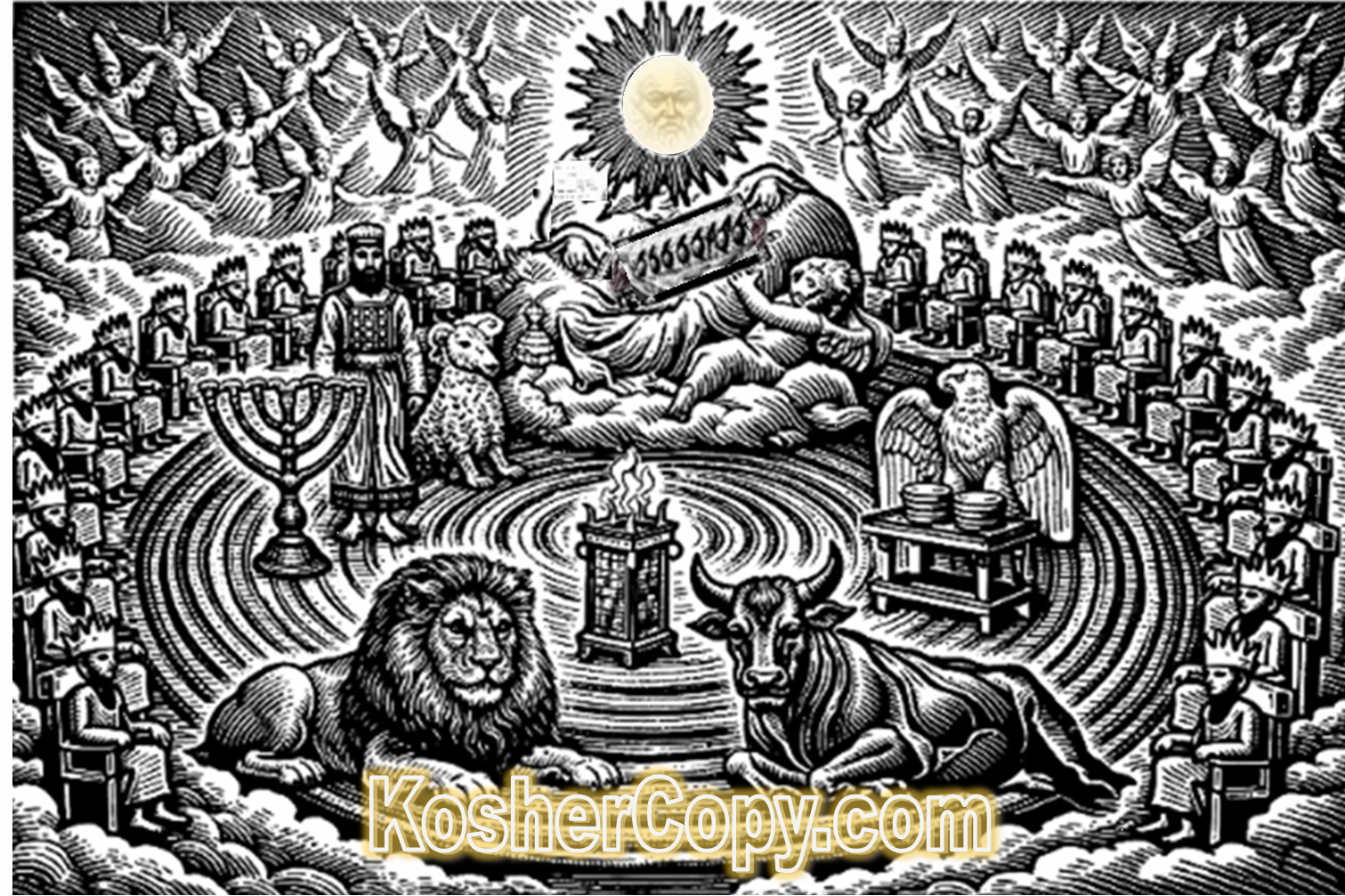
The Lamb must remove seven security seals to free the scroll for reading. Each seal on the scroll serves as a preamble to understanding the scroll. The Lamb does not open the scroll in Revelation 6.
The scroll reappears in Revelation 10 where John tastes it and, by deduction, can actually read its words. The words of the scroll reinforce the message of the first half of the Apocalypse and explain the actions visited on Jerusalem in the second half of Revelation. John 8 and Ezekiel 8 hint at the meaning and message of the scroll.
How do the final four sections of Revelation reflect the first four?
The fifth section of Revelation is the mirror of the fourth section, whereas the fourth section talks about why the destruction happened from the words of the scroll, the fifth section tells how God protects Israel, Jesus and the church. Section four relates the miracles two good witnesses accomplish in their forty-two months of ministry. Section five reveals the impact of two villains who ruled Judea for three and a half years. My book of course gives full details on each of these people..
The sixth section of Revelation mirrors the third section. It tells about judgment and destruction, but this time rather than being partial, the devastation is complete. The two destructions of the Temple in Jerusalem both occurred in the same month on the very same day, Tisha b’Av, the ninth day of the Jewish month of Av.
Where the second section of Revelation relates how John went up to heaven and experienced the wonders of singing, music and worship that honor God, the seventh section of Revelation displays the selfishness of human worship. The Harlot who takes power from the Beast that comes from below seeks adoration of herself from all the beings that surround her throne. I have shared a bit of a picture, but the details relating to this show up in John’s Apocalypse: a Jewish idea.
Revelation ends in scenes of glorious victory and hope. God takes away the sadness and grief in the first mirror of the Apocalypse. The Messiah arrives as a groom who conquers evil and prepares a place of reward for his bride. This passage concludes the Apocalypse with a revelation of God’s new creation.
As I write this blog I await the arrival of spring and a bold display from the many bulbs that I have put into my garden. I don’t see them, but know they will burst forth in color. I have great hope. While we don’t know that the Kingdom of God will bloom on Earth in its full glory, we can trust because of the promises of Scripture. It is something we can look forward to.