How should Christians react to the issue of Immigration
A look at the title of this blog could lead one to ask if immigration was ever discussed in the Bible. The answer is yes! Issues of nationality and immigration come up again and again from Genesis to the Apocalypse; from the first immigrant named Cain (Ge 4:12) to the last passage in Revelation 22:19. The Bible clearly tells us, “Let us make humankind in our image, in our likeness … So God created humans in his own image, in the image of God he created them; male and female he created them.” (Ge 1:26-27) – The reader should note that the Bible does not divide humanity by race or nationality.
“The Lord God formed a man from the dust of the ground and breathed into his nostrils the breath of life, and the man became a living being.” (Ge 2:7 – and everyone on earth, according to the Bible, is a descendant of this one person … and also linked through Noah and his wife). The author of Hebrews teaches the faithful to realize our citizenship is in heaven. Those who treasure earthly nationality over heavenly citizenship show disdain for God and disrespect for the things of Heaven. (He 11:13-16; 1 Pe 2:11)
What did Jesus say about immigration?
Jesus, who became a refugee before the age of two when his parents went to Egypt to escape selective persecution. (Mt 2:13-15) From the very beginning of his ministry Jesus highlighted two things: 1) Love God; 2) Love our neighbor. In his first message within the Synagogue of Nazareth, Jesus read the words of Isaiah which said, “The Spirit of the Lord is on me, because he has anointed me to proclaim good news to the poor. He has sent me to proclaim freedom for the prisoners and recovery of sight for the blind, to set the oppressed free, to proclaim the year of the Lord’s favor.” (Lk 4:18-19; Is 61)
The great teacher did not just mean to care for those who were “like us,” but throughout his ministry he both told people and demonstrated how to love both the foreigner and the less fortunate. He healed the son of a Roman centurion (Mt 8), the daughter of a Syro-Phoenecian woman and a deaf mute in Decapolis (Mk 7), and showed respect for the Good Samaritan (Lk 10:25:37) and the Samaritan woman he met at the well (Jn 4).
Jesus taught his disciples (and many who were less receptive) never to neglect people in need. The Bible teaches us to care for those who are less fortunate. He taught that those who fail to help the hungry, thirsty, stranger, needy and prisoner “will go away to eternal punishment, but the righteous to eternal life.” (Mt 25:31-46)
What did Paul think about immigration?
Paul, known in his early years as Saul of Tarsus (Ac 21:39) probably grew up as the son of Jewish merchants who sold and repaired tents (Ac 18:3) along the Silk Road from Tarsus to Derby (Ac 14:20). Saul experienced the difficulties of a merchant’s life, spending many days on the road with his family when young. The future apostle desired more from life, so he pursued an education. At first, the young scholar studied Stoicism and other Greek philosophies in his hometown of Tarsus. Upon graduation he sought an advanced education abroad under the tutelage of a rabbi named Gamaliel in Jerusalem. (Ac 22:3)
While in training, Saul, attempting to please members of the Sanhedrin by taking upon himself the role of a theological enforcement officer. He traveled to Damascus to arrest adherents to the Way of Jesus for trial (Ac 9:1-2). While on this mission, Saul had a vision; he saw the real Jesus and believed. Rather than going home, Saul traveled beyond the far reaches of the Roman Empire into Arabia (Ga 1:17 – probably the Nabatean city of Petra) to wrap his head around his new faith and learn the specifics of his new belief.
Paul felt a calling from God to become a traveling missionary who partnered with men and women of many nationalities to spread the Good News to a fearful world. The great Apostle supported many people escaping persecution and finding refuge in the places he worked. These refugees included Aquilla, Priscilla (Ac 18:2) and Apollos. (Ac 18:24)
While Paul respected earth’s governors, he taught there is a higher law regarding our relationship with other people (Ro 13:6-10). Paul wrote, “Remember, you were formerly gentiles (foreigners) … excluded from citizenship, … and foreigners to the promise, without hope and without God. (Jesus) is our peace, who has made the two groups one and has destroyed the barrier, the dividing wall of hostility, by setting aside in his flesh the law with its commands and regulations.“ (Eph 2:11-18; Col 3:10-11)
What did Moses include in the law about immigration?
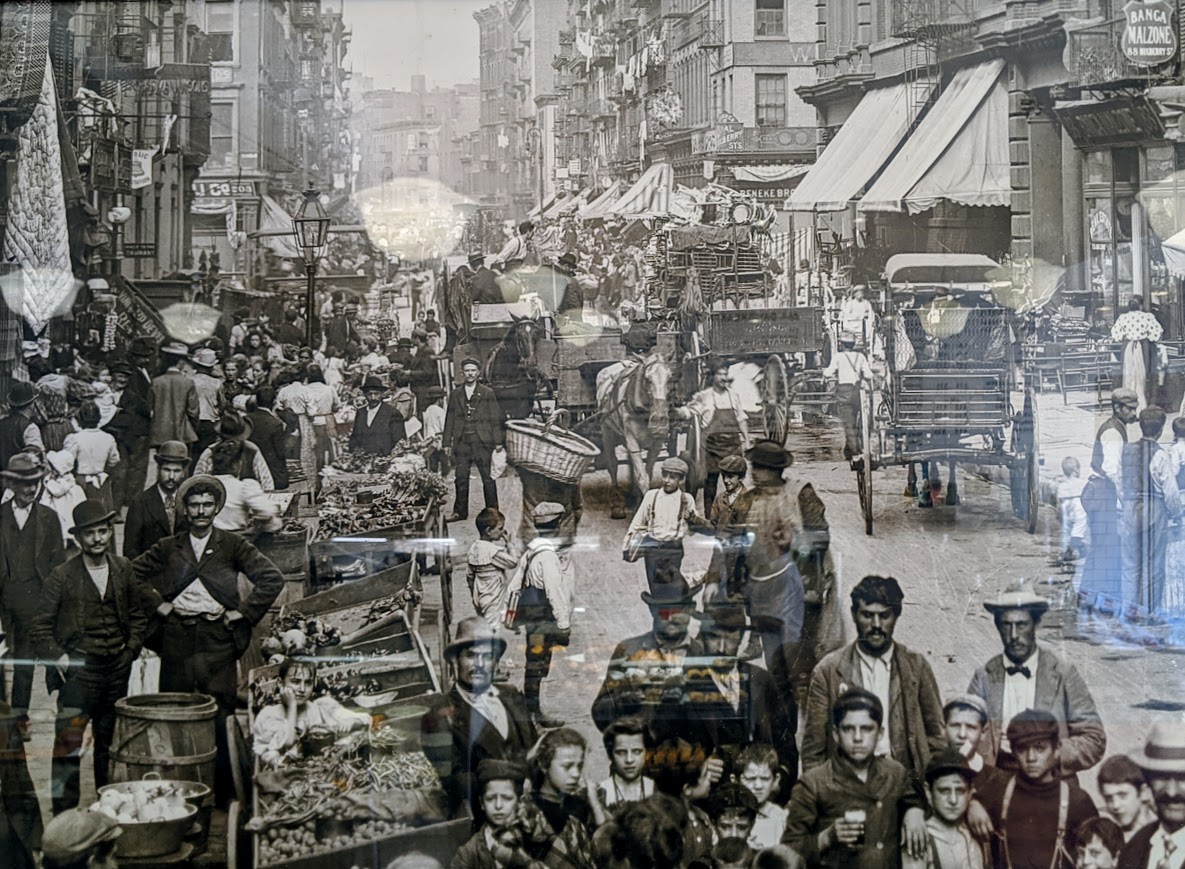
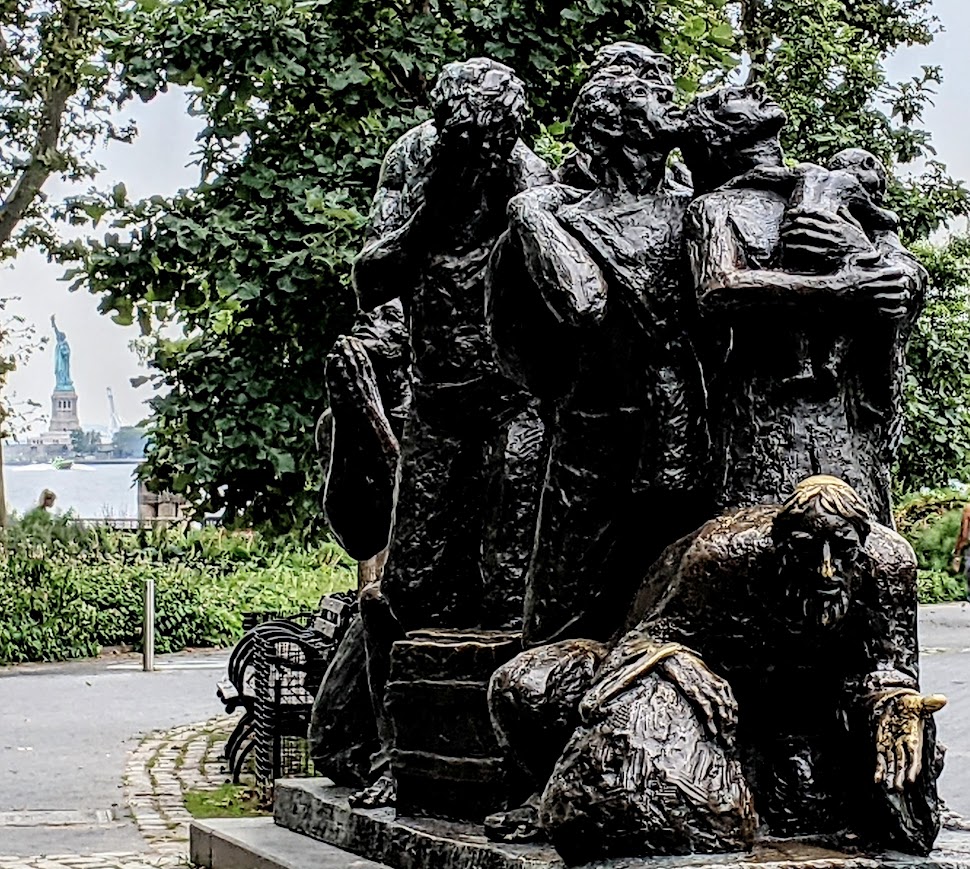
I am truly amazed at the people who call themselves followers of God, yet seek the deportation of recent immigrants to our land. During most of the twentieth century and during our greatest period of immigration from 1890 to 1920, the United States called itself the land of immigrants. Emblazoned on the Statue of Liberty are the words written by a Jewish woman named Emma Lazarus:

Jewish people learn from a young age to care for the homeless, the tempest-tossed, the widow, the orphan and the stranger. Every year during the Passover Seder we take time to remember we were once immigrants in a foreign land, slaves to masters and life beyond our control. (Ex 23:9; Dt 10:19) We recognize God gave us our freedom, and we are to share this good fortune with others.
Moses, the great lawyer taught, “Do not mistreat or oppress a foreigner, for you were foreigners in Egypt.” (Ex 22:21, and what appears in the next three verses is fearful!!); “When a foreigner lives among you in your land, do not mistreat them. You must treat the foreigner living among you as native-born. Love them as yourself, for you were foreigners in Egypt. I am the Lord your God.” (Lv 19:33-34); “Cursed is anyone who withholds justice from the foreigner, the fatherless or the widow.” (Dt 27:19) To this all the people of the future nation of Israel said, “Amen” in agreement.
What immgration issues did Abraham face?
From its very foundation, the Bible allows, and sometimes encourages, immigration. God commanded Abram, the father of the Jewish people, to move from Ur of the Chaldees to Haran, and from there to Canaan. (Ge 12:1-2) God promised to give the father of our faith land that belonged to another people. (Ge 15:18-21) Abraham was so much an alien that he felt obligated to purchase a burial plot for his wife and family. (Ge 23)
Abraham, Isaac and Jacob lived as aliens in a land that was not their own throughout their entire existence. This fact is taught in every Church across our nation. We are to receive the immigrants as Abimelech, Ephron and others received the originators of our faith in their land.
How did Immigration impact Israel?
The name of the land of Israel, which is now a nation, originated when an angel renamed Abraham’s grandson at Penuel on the east side of the Jordan River. The new name God gave to Jacob reveals something about his personality. Israel means “he who strives with God.“ (Ge 32:28)
The Bible story of Jacob tells of his forced departure from his home to live with his uncle. The patriarch took two wives (and their two servants) from the land of his uncle when it became necessary for him to travel back to the land of his origination (where he was born as an alien). He lived in the land of Canaan for a time, herding sheep and managing twelve sons and a daughter. At the end of his life, he immigrated to Egypt to join his son Joseph, whom his brothers had sold into slavery.
The family of Jacob became slaves in Egypt. 430 years later, over 600,000 people left Egypt in what is called the Exodus. This new nation, called Israel, lived as aliens in the desert for 40 years. After that time they invaded the land of Canaan where they lived as co-residents with the Canaanites and others for 512 years under the rule of Judges. Kings ruled Judea for 470 years until the invasion of Babylon. Babylonians deported both Jews and others in the land as captive populations. After 70 years of captivity, the Persians allowed the Jews to return to their land. The Jewish people occupied the Holy Land for 639 years until the destruction of the Second Temple in 70 CE.
From Jacob’s death until today, the Jewish people lived in the Holy Land for 1,621 years. They lived in captivity or diaspora for 2378 years, meaning the Jewish people have lived as aliens in a foreign land longer than they officially ruled the land of Israel.
Jewish people today have great compassion for new immigrants because our families have only lived in the United States for a few generations. We remember the hardships our people experienced during their years of diaspora and during antisemitic persecutions.
What did John include in the Apocalypse on immigration?
After the death of Jesus, on the day of Pentecost, Gentiles began joining the early church in ever-increasing numbers. What was once an exclusively Jewish body became mixed. At first, the original believers resisted the inclusion of Gentile believers within a Jewish body. But God intervened to change the Jewish attitude. Peter discovered at the conversion of Cornelius, “God does not show favoritism but accepts from every nation the one who fears him and does what is right.” (Ac 10:34-35)
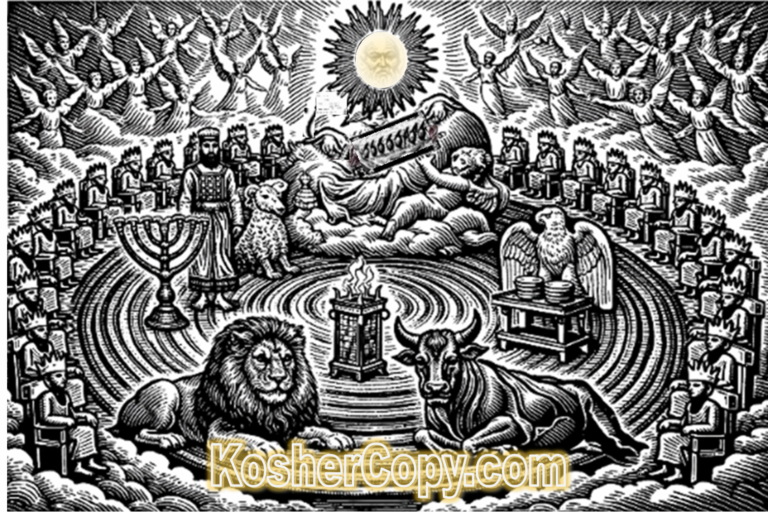
Around 63 CE, John, Jesus’ apostle, who endured exile from his homeland, openly expressed his wish for the congregation of Jewish and Gentile believers to unite as one people. In the book of Revelation he shares his dream: “I looked, and there before me was a great multitude that no one could count, from every nation, tribe, people and language, standing before the throne and before the Lamb. They were wearing white robes and were holding palm branches in their hands. And they cried out in a loud voice: Salvation belongs to our God, who sits on the throne, and to the Lamb.” (Rv 7:9-10)
John likewise wrote about people who choose obedience to the civil ruler rather than the Lord God, King of the Universe. John warns, like the prophets of old, the nation that imposes oppression on the foreigner, the fatherless or the widow; and people who accept the shedding of innocent blood (Jer 7:1-8; Zech 7:8-10).will find the angels of heaven announcing, “Fallen, Fallen is Babylon.” The Christian who trashes the desires of God to please the king of the land carries the mark of the beast.
What Immigration policies exist in Heaven?
Heaven is a place of wonder and beauty. It is a place created by God for believing immigrants from all nations. As new residents enter the the great eternal city they will know their entrance was based upon the grace and mercy of God. They are not there because they followed the laws of the land, were successful in business, or are affluent. The faithful enter because they desired and therefore asked God to live in and through them.
Heaven is also a place of love and respect. John says, “God is love.” The faithful, who were once aliens, will find acceptance with love and respect. The book of Revelation says, “I saw the Holy City, the new Jerusalem, coming down out of heaven from God, prepared as a bride beautifully dressed for her husband. And I heard a loud voice from the throne saying, “Look! God’s dwelling place is now among the people, and he will dwell with them. They will be his people, and God himself will be with them and be their God. ‘He will wipe every tear from their eyes. There will be no more death’ or mourning or crying or pain, for the old order of things has passed away.” (Rv 20:1-4, Read also Psalm 146)
I pray that people in our land will become more like God and less like the world. I pray that the people on this earth can live a bit more like citizens of Heaven, seeking to please God more than becoming blind followers of self-serving human rulers.