Elephantine Correspondence and other fascinating Passover Memorabilia
Passover’s long trail is endowed by many stories and artifacts to be found from the beginning to the end of Israel’s history. The unbroken chain of tradition is astounding, when one stops to consider that some of the repeated words and routines have been practiced in exactly the same way for over 3,500 years. Throughout my life I have been a benefactor of this heritage, never missing a single annual observance.

In my readings and studies on the topic of Passover, I have found scholars that wish to negate the fact of continuance. Some naysayers even maintain that it was the Greeks, not the Jews who invented banquets called symposia from which the Passover sprang. But story twisting historians should take note; the ancient meal called the Passover Seder began more than five hundred years before a Greek classical period came into being. Symposium meals, which are first recorded in the fourth century BCE quickly devolved into men’s drinking parties while the primitive Hebrew Seder meal became a family event.
Early Historic Passover Seders
The earliest Passover Seder, of course occurred about 1450 BCE in Egypt, as recorded by Moses in Exodus 12-13. There is some evidence of cultic celebrations of the spring barley harvest that could come even earlier, and become interwoven with ancient and therefore modern Seder traditions. The traditional Passover meal that carries a retelling of the exodus from Egypt first occurred on the eve of Israel’s departure in 1664 BCE, according to the Historian Josephus.

The Hebrew people celebrated 40 Passovers in the wilderness
The second Passover Seder occurred exactly one year later while Israel lived in the wilderness. The author of Numbers recorded, “Moses told the Israelites to celebrate the Passover, and they did so in the Desert of Sinai at twilight on the fourteenth day of the first month.” (Nu. 9:4-5) Descendants of these early Hebrew vagabonds have continued to celebrate the Passover meal, without fail, every year since these earliest events.
The Reason for Passover
The Passover Seder is more than just a ritual ceremony. The annual spring celebration is an excuse for a large family gathering with generous quantities of food and readings that include the rites, traditions and meanings which have come down to us from our ancestors. The real reason for orchestrating the dinner is to teach Israel’s future generations about our shared history. One of the key verses in our Deuteronomic tradition is, “Teach them to your children and to their children after them.” (Dt 4:9)

of the Passover from Psalms.
Jewish families today use a book called the Haggadah to guide participants in an organized manner to understand the substance of the celebration. These helpful teaching aids were developed in the middle ages and appear today in bookstores, websites, and in many other forms to help households to stay on track during the evening’s festivities.
Telling a the Passover story
The Passover Seder from its inception has included telling the story of Israel’s Exodus from Egypt. In the second generation, when children came into Hebrew households that did not remember living in the land of Slavery, questions began to be asked. This is a completely normal and natural habit of children. The asking of questions was formalized in the first century of the Common Era, after the days of Jesus life, possibly at Yohannan Zakkai’s school in Yavneh.
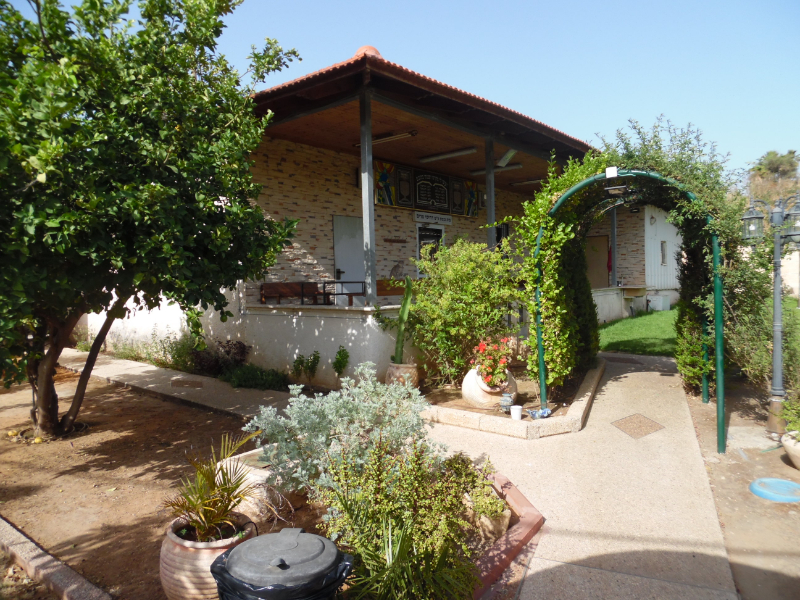
Yohanan ben Zakkai‘s academy would look like if it existed today.
The four questions that have been asked annually since the Temple’s follow this pattern: 1) Why do we eat only unleavened bread? 2) Why on this night do we eat bitter herbs? 3) Why do we wash our hands twice during our Seder? 4) Why do we rest on cushions on this night? The great history of these questions is proved by a change that was made in the fourth question. In the days of the Temple children used to ask, Why on this night do we only eat roasted lamb. (for more on this see my book A Christian Passover in the Jewish Tradition)
Passovers, a Jewish Tradition
The habit of the annual Passover meal continued and gained strength in the days that Joshua led the Hebrew people across the Jordan River. Forty years after Israel left the Land of Egypt, the Bible says, “On the evening of the fourteenth day of the month, while camped at Gilgal on the plains of Jericho, the Israelites celebrated the Passover. The day after the Passover, that very day, they ate some of the produce of the land: unleavened bread and roasted grain.” (Joshua 5:10-11)

Passover was celebrated in the days of Gideon (Judges 6:20-22); Samuel (1 Samuel 12:8); King David (2 Samuel 7:23), Solomon (1 Kings 6:1), Hezekiah (2 Chronicles 30:1-20), Josiah (1 Esdras 1), Ezra (Ezra 6:19-21), and at Qumran (4Q320). The author of the book of Jubilees tells his readers, “Observe it from year to year all the days of your life, once a year, on its day, according to all the law of it. Do not forsake it from day to day, or from month to month.” (49:7)
The Elephantine Passover
One of the earliest writings about Passover from a source outside of the Biblical texts comes from the Elephantine in a letter from Hananniah to Jedaniah, written in 419 BCE. It says,
“Now, count fourteen days of Nisan and at twilight, the Passover observes. And from day 15 until day 21 of Nisan, celebrate the festival of Unleavened Bread. For seven days eat unleavened bread. Now, be pure and take heed. Do no work from the 15th to the 21st of Nisan and do not drink any fermented drink. Do not eat any leaven and do not let it be seen in your houses. Any leavenings which you have in your houses bring into your chambers and seal them up during these days.”
Philo of Alexandria wrote in the first century CE, “Those who are to share in the feast come together not as they do to other entertainments, to gratify their bellies with wine and meat, but to fulfill their hereditary custom with prayer and songs and praise. … And there is another festival combined with the feast of the Passover, having a use of food different from the usual one, and not customary; the use, namely, of unleavened bread, from which it derives its name. (Special Laws II)
Celebrating the importance of Passover
The history of Passover makes it a basic building block of our world’s three largest religions: Christianity, Islam and Judaism. The teachings of this ancient festival are hardwired into the most basic beliefs of these and other faith groups. Any family that participates in these major religions will find great benefit from experiencing this Jewish holiday in its most basic form.
I want to recommend a couple of different books – A Christian Passover in the Jewish Tradition is for those who are not familiar with the Passover Seder, or who just want to dig deeper (a full explanation of every part is included in the book!). The Psalmatic Seder is a book full of songs that can be sung and performed bringing great history and joy to a musical celebration.
I encourage everyone who follows the faith of Abraham, Isaac and Jacob to celebrate the Passover, remembering this is part of a shared heritage and to be taught in each generation.