Fatal mistakes and Passover enslavement
Passover Imagines the incarceration of generational slavery! It was not that the Jewish people choose to subject themselves to slavery, it just happened and they found themselves trapped in bondage. The family of Jacob, seventy people, was at the start normal, hard working people. They were shepherds who tried to make a living off the land. They worked together, encouraged each other in times of hardship, and at times took care of their neighbors.
Facing Hard Times
But the family of Jacob, as well as the rest of their neighbors, were facing a hard time. An enduring famine was tormenting the land and its people. Food, and at times water were unavailable and the people were hungry. This included the family of Jacob and his neighbors. After three years of near starvation they received the news that only 300 miles away there was plenty of food and water in the land of Egypt. (Ge 42:1)

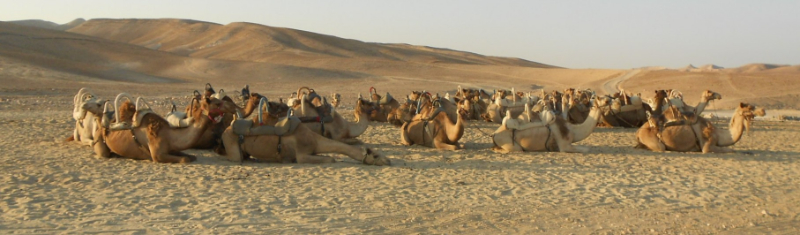
Jacob sent his sons to Egypt with pack animals and money to bring back food for several months. The sons went, often with Reuben in the lead, to find the market where the food was being sold. Upon their arrival, they placed themselves in the receiving line to purchase food.
The line moved quickly, and they were pleasantly surprised at the warm reception they received at each stage of the procurement process. At the end of the transaction, as they were exchanging money for their food, the governor came to them and began to interview them on their normal place of residence and the size of their family.
The governor was a kind man, and desired that the family fo Jacob take time to rest before making their return trip home. They were amazed that the man in charge of the food operation would notice them and they were shocked at his hospitality. The man and his servants entertained them as if they were royalty them for several days while they relaxed in the Egyptian official’s personal residence.
Moving to a New Home
That was the beginning of Israel’s time in Egypt. Of course there is much more to the story (read Genesis 42-45), but the bottom line was that the governor was both more and less than a governor. The man was, in order of rank like a prince in rank, second only to Pharaoh, the high ruler of Egypt and all its territories. At the same time this guy was Joseph, their little brother who tormented them and received the dishonor of their abuse as a child.
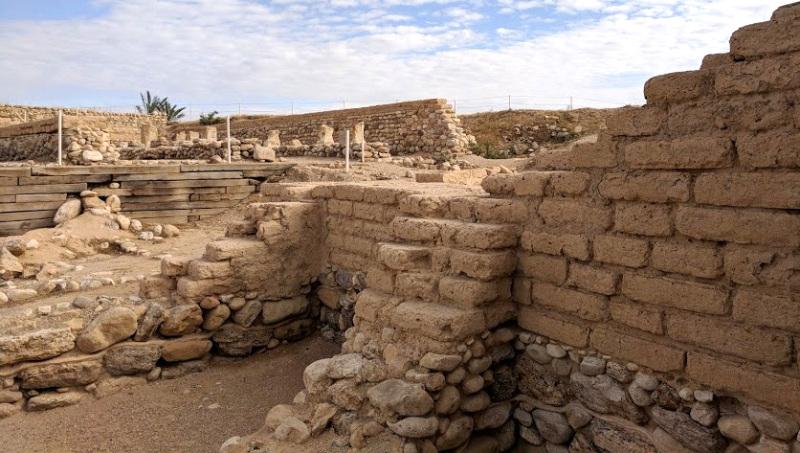
Because of the enduring nature of the famine, the family of Jacob used up their food allotment and found it necessary to return to Egypt. They were fearful about returning because on the way home they unexpectedly found the full amount of the money paid for food in the sacks of goods provided by the yet unrecognized prince of Egypt. But food became scarce and the family was desperate, so they returned to the food market.
Te Bible story contains several items of drama that caused great fear in the return,and various issues and tricks upon the return of Jacob’s sons. In the end, their brother Joseph, prince of Egypt, revealed his identity as Jacob’s lost son. Because the famine would continue, and Joseph desired to see his father, he provided a way for his family to come to Egypt. He gave them the best of land as a place for them to dwell.
But, soon after Jacob arrived with all of his family, the government changed. A new Pharaoh, from a different family line came to power, and did not recognize the work Joseph had accomplished … or his family.
The New Administration
Of course, the family of Joseph presented a risk to the new Pharaoh, because they were of the previous administration. The new rulers needed to put them down, and there was no better way (at that time in history) than to place them into slavery. So they did.

The new Pharaoh placed the family into his service in the same line of work as Joseph had been involved, but at the bottom end. He had descendants of Jacob’s family growing crops for his food, constructing granaries and other storage facilities, such as pyramids, for the preservation of foodstuffs and dead bodies. Some of this work can be seen even to this day along the Nile River, if you ever take a trip to Egypt.
Backbreaking Slavery of Passover
The family of Jacob was forced to spend over 400 years as slaves in Egypt. This represents about 12 generations of Israel’s history, as they worked subserviently for a hostile people. The work was backbreaking and spirit breaking. As the slaves worked, they watched their masters prosper because of their excellent service, and enjoy life through the prosperity of their business operations.
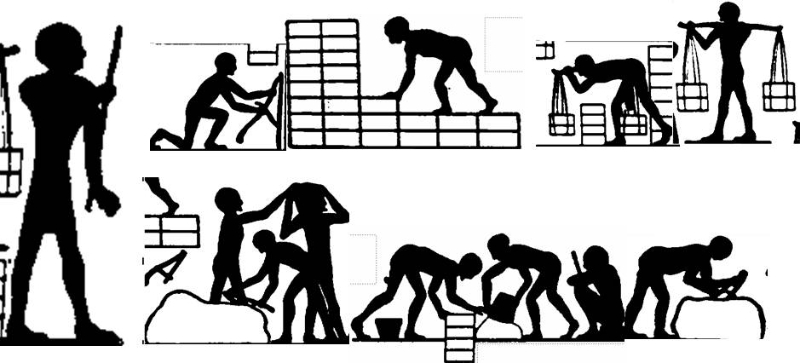
grew and later found their freedom because of God’s promise
The Egyptians, of course, had the slaves build monuments glorifying the achievements those who were the greatest masters of slave labor without any credit to the people actually doing the work. Perhaps that is why it is written in the book of the Jewish people, “Remember that you were slaves in Egypt.” (Dt. 24:22)
Celebrating the Passover
These stories are, of course, told as a prelude to Passover, a favorite holiday of Jacob’s descendants. Perhaps you are a member of the family, or want to join them. If you do not have a plan for Passover,
I want to recommend a couple of different books – The Psalmatic Seder is a book full of songs that can be sung and performed bringing great history and joy to a musical celebration. A Christian Passover in the Jewish Tradition is for those who are not familiar with the Passover Seder, or who just want to dig deeper (a full explanation of every part is included in the book!). For those just wanting a simple read-along Haggadah, a couple $1 versions are available for upload on a kindle reader.